Why Boutique Gyms Exploded: And Why People Stopped Wanting Anonymous Fitness
Learn more about this article.
11 min read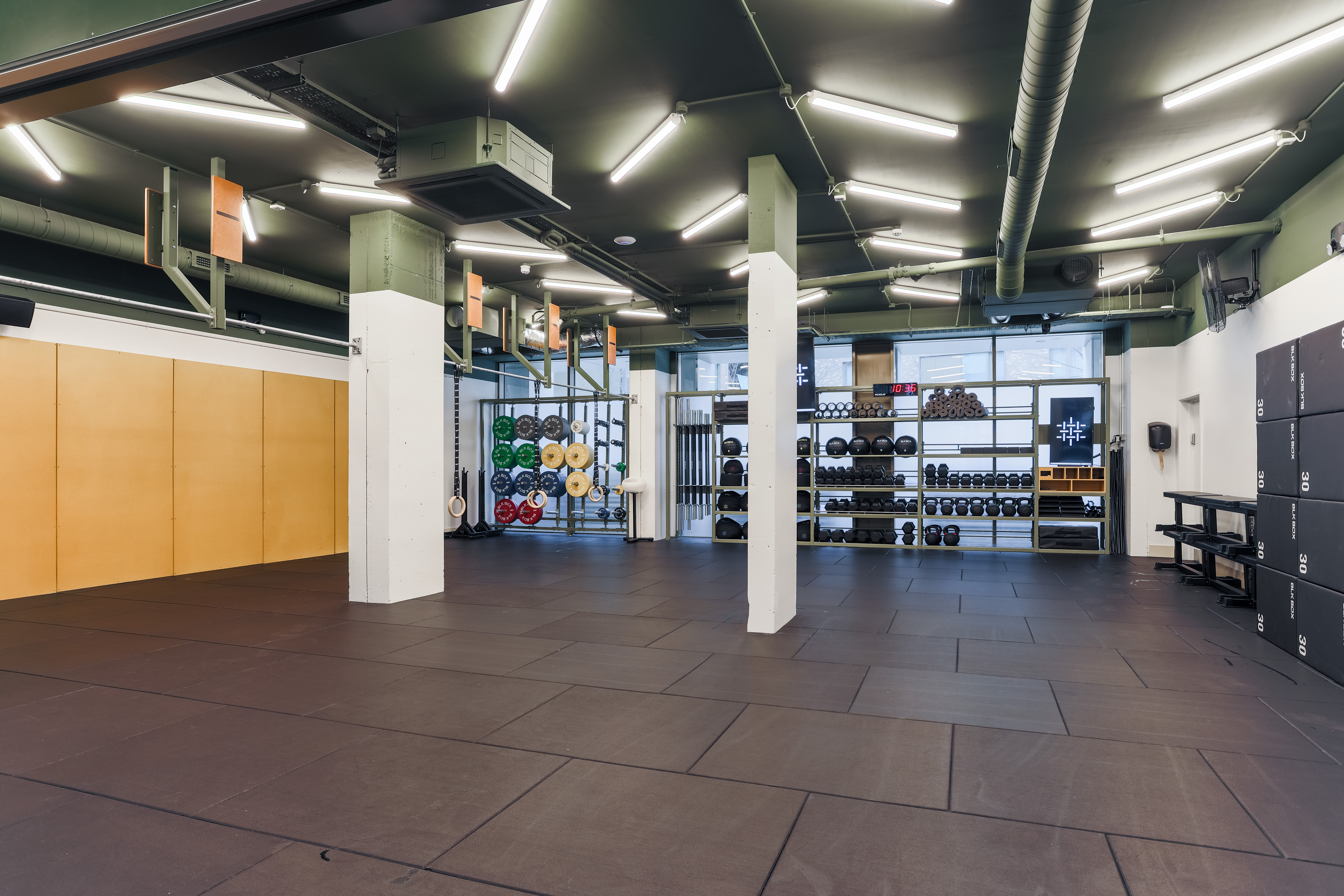
For years, the gym industry chased scale.
Bigger spaces. More treadmills. More memberships. More access.
The model was simple:
Sign up thousands of people and hope most barely show up.
And for a while, it worked.
Commercial gyms became increasingly optimised around convenience and volume: cheap monthly fees, rows of machines, generic layouts, minimal coaching, and minimal interaction.
But something started happening.
People realised access was not the same thing as experience.
And slowly, boutique gyms exploded.
“Super friendly. Coaches so invested in the gym and the experience - constantly giving tips to help you develop.”
— Richard, Gymnasium Brixton
Access solves nothing if people don't show up
The old gym model solved one important problem:
Getting people through the door cheaply.
What it often did not solve was:
Getting people to keep coming back.
Because most people do not struggle with knowing exercise is good for them. They struggle with consistency, confidence, motivation, boredom, accountability, intimidation, and loneliness.
The 2026 Global Fitness Report found alarming gaps in confidence and engagement: 37% of people do not feel confident working out, 41% consider working out a chore, 54% want new ways to get fit, and 64% are more likely to work out somewhere with a good vibe.
That is basically the boutique fitness business model explained in four statistics.
What boutique gyms are actually selling
Boutique gyms are not really selling equipment. They are selling structure, atmosphere, coaching, identity, energy, social connection, and consistency.
That is part of the reason modern boutique concepts have grown so rapidly in London and beyond.
Not because they simply offer classes.
But because they remove friction from training while making people feel part of something.
They answer a question that commercial gyms never solved:
"Where do I belong?"
Fitness became identity
Boutique fitness grew at the same time social media exploded.
That matters.
Because gyms stopped being purely transactional spaces and became part of how people described themselves.
Running clubs. Pilates studios. CrossFit gyms. HYROX training groups. Strength studios.
These places became communities and identity markers.
People increasingly wanted somewhere that felt aligned with who they are, how they train, what they value, and who they spend time with.
The industry shifted from:
"Where can I work out?"
to:
"Where do I belong?"
And honestly, that is a much more powerful question.
"People join gyms because they want to improve how they look. They stay because someone notices when they're missing."
Community became the product
This is the bit many operators still misunderstand.
People often join gyms because they want to improve how they look. But they stay because someone notices when they are missing, coaches know their name, friends expect them to turn up, the environment feels good, and training becomes social.
The Global Fitness Report found younger generations increasingly value group training, challenge, social connection and atmosphere.
It also found people are increasingly encouraging friends to join workouts they enjoy.
That matters because belonging is one of the strongest retention tools in fitness.
A great boutique gym creates positive social pressure.
Not guilt. Not punishment. Just a feeling that people would notice if you disappeared.
That psychological shift is huge.
Because it means the gym becomes less about "should I work out today" and more about "my people are expecting me."
“A fantastic gym - friendly and welcoming coaches, clean and well-equipped facilities, and a great community vibe.”
— Nadia, Gymnasium Brixton
Boutique gyms removed decision fatigue
One of the hidden problems with traditional gyms is this:
Many people genuinely have no idea what to do when they arrive.
Especially beginners.
The report found that 54% of aspiring lifters do not know where to start, 50% feel intimidated by weights areas, and 58% say conflicting advice makes it hard to know how to train.
Boutique gyms simplified this dramatically.
You book a class. You turn up. Someone coaches you. The structure already exists.
That reduction in cognitive load is massively important.
Because motivation is unreliable.
Systems are not.
When someone walks into a boutique gym, they do not need to figure out what to do. The workout is already structured. The coaching is already present. The progression is already planned.
For busy London professionals especially, that clarity is incredibly valuable.
Environment shapes behaviour
Boutique gyms also understood something many commercial operators ignored for years:
Environment matters.
Lighting matters. Music matters. Cleanliness matters. Showers matter. The welcome matters. The coaching energy matters.
People increasingly expect fitness spaces to feel intentional, welcoming, energising, and emotionally positive.
Especially in cities like London, gyms became part of lifestyle infrastructure.
Some function almost like modern third places: part fitness space, part social environment, part mental reset.
Not because aesthetics alone matter.
But because environment shapes behaviour.
People return to places that make them feel good.
Why this matters particularly in cities
Urban life is increasingly isolated.
People work remotely. Commute less. Know neighbours less. Spend more time online.
Ironically, people are now more connected digitally and more disconnected physically.
Boutique gyms stepped into that gap.
Many people are not just looking for exercise anymore. They are looking for routine, people, familiarity, confidence, emotional regulation, and somewhere to go.
The Global Fitness Report repeatedly highlights social connection and atmosphere as major drivers of attendance and retention.
That is not accidental.
Fitness has quietly become one of the last socially acceptable places for adults to make new friends.
And that is particularly true in London.
The downside of boutique fitness
Of course, not everything about boutique fitness is perfect. Some concepts became overly performative, absurdly expensive, aesthetically identical, or more Instagram set than training environment. Others relied too heavily on novelty, with too much neon lighting, slogans on walls, "beast mode" energy, and gimmicks disguised as programming.
The boutiques that last are usually the ones that move beyond hype. They focus on coaching quality, consistency, progression, retention, human connection, and operational detail.
Because eventually, atmosphere alone is not enough.
People still need results.
“Main coaches always helpful, friendly and motivating. Great packages for all types of members, which also gives you access to Open Gym.”
— Peter, Gymnasium Brixton
Where the industry is heading
The interesting part is that the lines are blurring.
Boutique gyms are becoming more complete. Commercial gyms are becoming more experience-led. Recovery spaces are merging with training spaces. Hybrid training is replacing rigid fitness tribalism.
The future probably looks less like:
"cheap gym versus boutique gym"
and more like:
"What problem does this place solve in someone's life?"
The strongest operators increasingly provide coaching, accountability, social connection, progression, wellness, recovery, flexibility, and identity.
Not just equipment access.
Because ultimately, boutique gyms exploded for one simple reason:
People do not just want somewhere to exercise anymore.
They want somewhere that helps them keep showing up.