Fitness Loneliness in London: Why More Londoners Are Training Together Again
Learn more about this article.
8 min read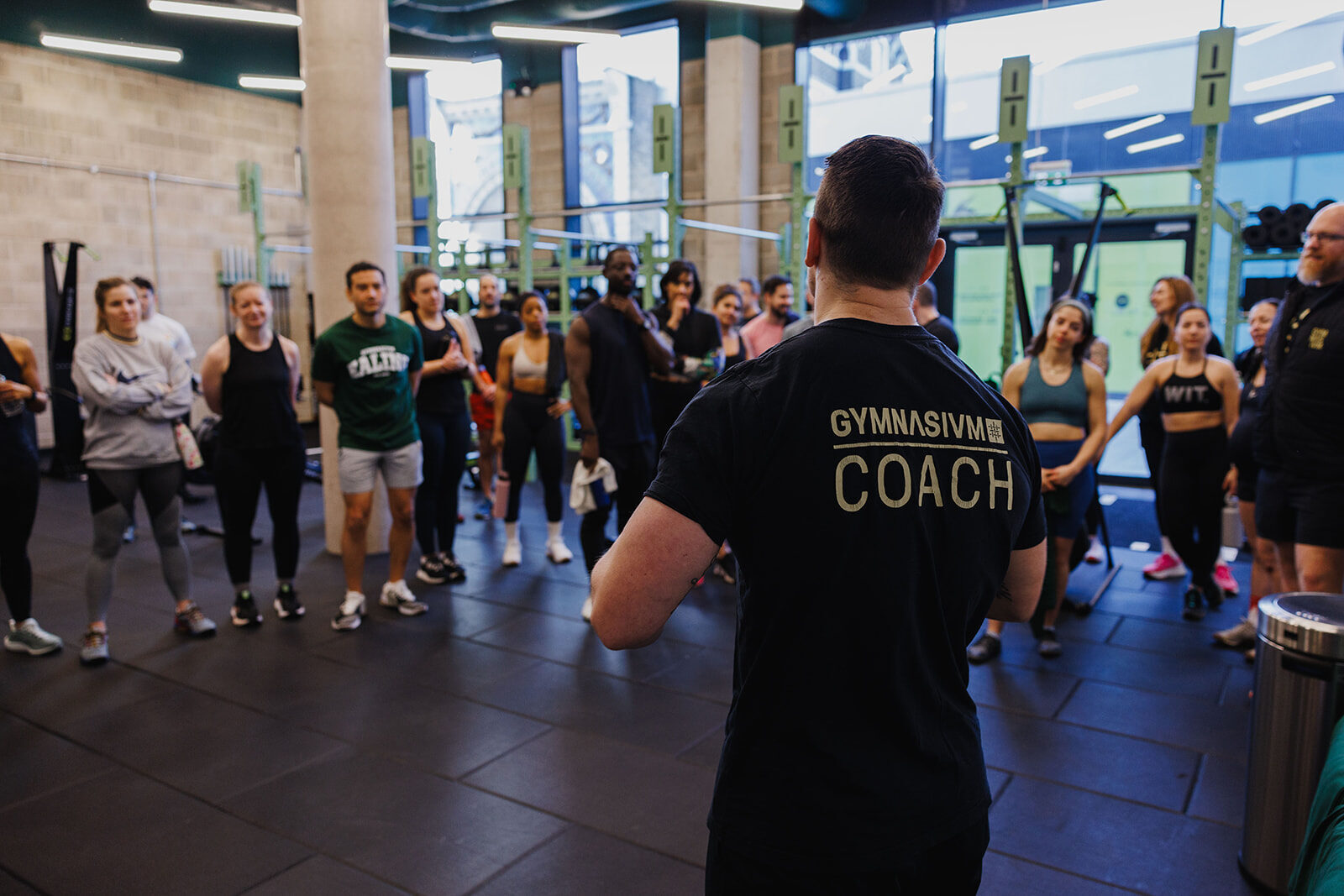
London is one of the busiest cities in the world.
Millions of people. Packed trains. Open-plan offices. Endless WhatsApp groups. Constant notifications.
And yet, a huge number of people feel isolated.
Not "alone" in the dramatic sense. Just disconnected.
You can spend an entire day in London surrounded by people and barely have a meaningful interaction with anyone.
That is increasingly becoming one of the biggest drivers behind modern fitness culture.
Not fat loss. Not six-packs. Not "summer body" marketing.
Connection.
“Super friendly, supportive and welcoming environment. The coaches lead the classes professionally, and are able to adapt the exercises.”
— Franci, Gymnasium Brixton
The loneliness problem in London
London can be brilliant. It can also be incredibly transient.
People move here for work. Friend groups shift constantly. Relationships change. People commute long hours. Many work remotely. A lot of social interaction now happens through screens rather than in real life.
The result is a strange contradiction:
London is socially dense but emotionally fragmented.
This is now showing up in fitness behaviour.
People are no longer just looking for a gym near home, cheap membership, lots of equipment or fancy machines.
They are looking for structure, routine, familiarity, accountability, people who know their name, and somewhere they feel genuinely expected.
Fitness has quietly become one of the last remaining forms of regular in-person community.
And that matters more than most operators realise.
Why commercial gyms often fail socially
Traditional gyms solved convenience.
They did not solve connection.
You scan in. Put headphones on. Avoid eye contact. Train alone. Leave.
For some people, that is perfect. For many, it is exactly why they stop going.
The hardest part of fitness is rarely the workout itself. It's showing up consistently, feeling comfortable, knowing what to do, not feeling judged, and building routine.
That is where community-led training environments are growing.
Not because everyone suddenly wants to become ultra-social.
But because humans are behavioural creatures. We stick to things when people expect us, we feel part of something, there is shared struggle, we recognise faces, and we feel seen.
That is not "soft". That is behavioural psychology.
The rise of fitness communities in London
Across London, you can see this shift everywhere.
Run clubs have exploded. HYROX communities are booming. Boutique gyms continue to grow. Strength clubs are thriving. Group training is outperforming many traditional models.
Why? Because these environments create identity, tribe, momentum, belonging, and repeat interaction. The workout matters. But the social infrastructure matters more than most people admit.
Even highly independent people tend to train more consistently when someone notices they missed a class, a coach greets them, they know the faces around them, there is a shared challenge or goal, and the environment feels psychologically safe.
This is one reason why HYROX has grown so quickly in London. It gives people a clear goal, a training identity, a community, and a reason to keep showing up.
The race is important.
But the training journey around it is what creates attachment.
"Most people join gyms hoping to improve how they look. Many stay because they finally find routine, confidence, people, momentum, and belonging."
Fitness loneliness is not just about having no friends
This is important.
Many people experiencing "fitness loneliness" are socially functional. They have jobs, partners, friends and active lives.
But modern life has become increasingly fragmented. People often lack routine community, repeated social interaction, shared physical experiences, and environments that create natural friendships.
Historically, people got this from religion, local clubs, villages, extended families, pubs, and community organisations.
Modern cities have weakened many of those structures.
Fitness is increasingly filling the gap.
That is why people become emotionally attached to gyms, coaches, classes and training groups. It is rarely just about exercise. It's about routine, identity, social energy, emotional regulation, and feeling anchored in a chaotic city.
“Gymnasium Brixton is the place to be. From the moment I stepped into the gym, the friendly and supportive atmosphere was evident.”
— Dan, Gymnasium Brixton
Why coached group training works so well
Coached group fitness sits in a particularly strong position right now because it combines several powerful behavioural drivers:
1. Accountability
People show up more consistently when sessions happen at fixed times and other people are expecting them.
2. Reduced decision fatigue
One of the biggest barriers to training is simply figuring out what to do. Good coaching removes friction.
3. Shared hardship
Humans bond surprisingly quickly through physical challenge. There is a reason endurance events, team sports and difficult workouts create strong social connection.
4. Familiarity
Seeing the same faces repeatedly matters. Most friendships are built through repeated exposure, not instant chemistry.
5. Psychological safety
Many people are intimidated by traditional gyms. Good group environments reduce uncertainty and social anxiety.
London fitness culture is changing
The old model of fitness marketing was transformation photos, punishment messaging, aesthetics, and "no excuses." That still exists. But the newer direction is much more human. People increasingly want strength, energy, resilience, confidence, mobility, longevity, social connection, and routine.
This is especially true post-pandemic. People realised that isolation affects mental health, screens are exhausting, working from home can become lonely, movement improves mood, and community matters.
Fitness is now becoming part exercise, part social infrastructure.
Why belonging matters for consistency
One of the biggest myths in fitness is that consistency comes from motivation.
It usually does not.
Consistency comes from environment. People stay consistent when training feels easy to access, they enjoy the atmosphere, they know people, coaches support them, they feel progress, and they identify with the place.
That is why many people stay at community-led gyms for years.
Not because every workout is magical.
But because the gym becomes woven into their life. The best gyms become third places, anchors, social rituals, stress regulators, and confidence builders.
The future of fitness in London
The next generation of successful gyms in London probably will not just be "places to work out." They will be coaching environments, social ecosystems, wellness spaces, recovery spaces, event hubs, and community platforms.
The strongest fitness brands are increasingly combining training, coaching, recovery, events, education, social connection, and lifestyle identity. The weakest operators will continue competing purely on price, equipment, discounts, and convenience.
And that is becoming a hard place to win.
“Amazing gym with equally as amazing coaches! Have been coming since it opened and felt super welcome right from the start.”
— Sammy, Gymnasium Brixton
Final thought
Most people join gyms hoping to improve how they look. Many stay because they finally find routine, confidence, people, momentum, and belonging.
That is the real story behind modern fitness culture in London.
Not everyone needs a fitness community.
But increasingly, people are looking for somewhere that feels a little less anonymous.
Somewhere that helps them feel healthier, stronger and a bit more connected in a city that can sometimes feel surprisingly lonely.
Related Reading
- Why Boutique Gyms Exploded: And Why People Stopped Wanting Anonymous Fitness
- Stress & Training: Why Modern Exercise Feels Essential
- Run Clubs in London: Why They've Become the New Social Glue
Let's deal with the obvious stuff.
Large cities often create surface-level interaction without deeper connection. Long commutes, remote work, transient social groups and screen-heavy lifestyles can reduce meaningful in-person relationships.
For many people, yes. Especially community-led gyms, group training environments and run clubs where repeated interaction and shared experiences help build familiarity and connection.
Group fitness combines coaching, accountability, routine and social interaction. Many people find it easier to stay consistent when training feels structured and communal.
Fitness community culture refers to gyms, classes or training groups where members build relationships, support each other and identify socially with the environment, not just the workout itself.
Not entirely. Budget gyms continue to grow strongly. But boutique and coached training environments are growing because many consumers now value coaching, accountability and belonging alongside equipment access.
HYROX gives people a measurable fitness goal, structured training focus and strong community identity. It combines endurance, strength and competition in a format that feels accessible to many gym-goers.
Increasingly, yes. Many younger professionals experience fragmented routines, remote work and weaker local social ties. Fitness communities are becoming one way people rebuild routine social interaction.
Stop being lonely at the gym
Fitness communities solve the real problem: connection, routine, and belonging. Find yours.