The Stronger Generation
Strong feels better than skinny ever did. Getting stronger has just overtaken getting smaller as women's No.1 health goal.
6 min read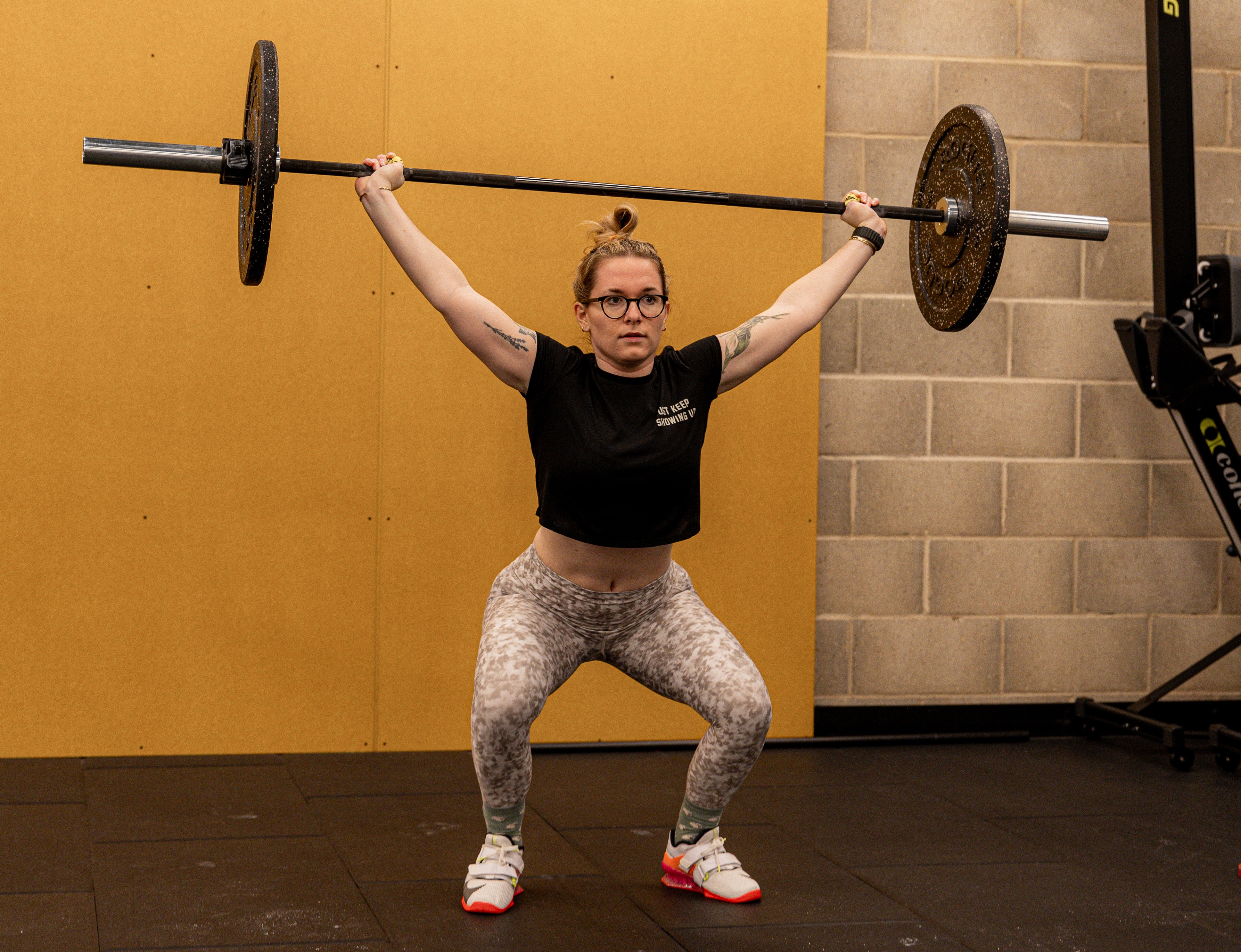
Women are moving beyond weight loss and into the weights room. This is not simply another fitness trend. It is a change in what women expect their bodies to do.
For decades, much of the fitness industry sold women the same outcome.
Smaller.
A smaller waist. A smaller dress size. A smaller number on the scales. Exercise was presented primarily as a way to burn calories, lose weight and take up slightly less space.
That advice was not malicious. It was incomplete. Women were taught to fear getting bigger, and rarely told about the real threat to long-term health: getting weaker.
Something is changing.
More women are now training to become stronger, build muscle, protect their bones, improve performance and remain physically capable for longer.
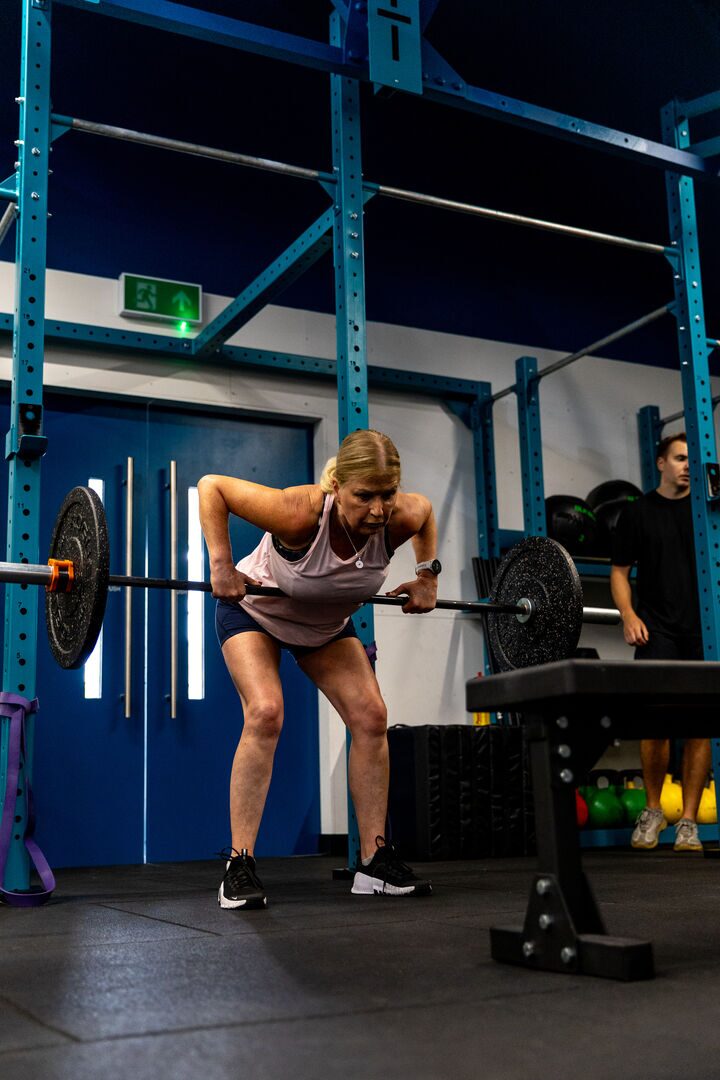
The squat rack is no longer automatically treated as a male space. Women in their 40s, 50s, 60s and beyond are learning to deadlift, squat, press and pull. Not because they want to become bodybuilders, but because muscle has become increasingly difficult to ignore.
“Been to a lot of boutique gyms in London this is by far one of the best! Great coaches, challenging but fun classes.”
— Alma, Gymnasium Brixton
Strength Has Become the Goal
A 2026 Life Time survey found that getting physically stronger was the most commonly selected health goal, chosen by 42.3% of respondents. Almost half planned to lift more weights, while a third cited longevity as an important motivation. Weight loss had lost its usual position at the centre of the conversation.
It was a relatively small American survey, so we should not pretend it represents every woman everywhere. But it reflects a wider shift.
The 2026 Global Fitness Report, based on more than 10,000 consumers across 12 countries, found that over half of regular exercisers now include some form of strength training. Participation in group strength classes has also increased since 2018.
People still care about how they look. Of course they do. But appearance is increasingly sharing the stage with capability.
Can I lift something heavy? Can I run without breaking down? Can I carry my own luggage, get up from the floor and remain independent? Can I keep doing difficult and interesting things as I get older?
These are better questions than simply asking what we weigh.
The New Longevity Evidence
A major study published in the British Journal of Sports Medicine in June 2026 adds considerable weight to the argument.
Researchers analysed 147,374 adults from the Nurses' Health Studies and Health Professionals Follow-up Study. Participants were followed for up to 30 years, during which 35,798 deaths were recorded.
Compared with people doing no resistance training, those reporting 90 to 119 minutes a week had:
- 13% lower risk of death from any cause
- 19% lower risk of cardiovascular death
- 27% lower risk of death from neurological disease
These associations remained after accounting for aerobic exercise.
That does not mean two hours of lifting acts like a life-extension prescription. The participants reported their own training, and observational research cannot prove that strength training directly caused the reduction in mortality.
People who train may also eat differently, sleep better, smoke less or engage in other healthy behaviours that are difficult to remove completely from the analysis.
But the findings are consistent with a growing body of evidence linking resistance training with better long-term health.
The most encouraging part is the amount required. Ninety minutes to two hours is not an athlete's training schedule. It could be two well-structured sessions each week.
Why Midlife Matters
Strength training becomes particularly important around menopause. Declining oestrogen is associated with accelerated bone loss, while ageing brings a gradual reduction in muscle mass, power and strength. Menopause is not solely responsible for every physical change in midlife, but it can add momentum to processes that are already underway.
Resistance training gives the body a reason to hold on to muscle, and supervised high-intensity resistance and impact training has produced encouraging results for bone strength. It is not a miracle cure and it does not replace medical treatment. But bone responds to load. Muscle responds to demand. Neither is especially impressed by good intentions.
We go deeper on this in Strength Training for Women Over 40.
“The best gym I have been to. The coaches are encouraging and the classes challenging yet enjoyable no matter your fitness level.”
— Olivia, Gymnasium Brixton
Women Do Not Need Easier Training
Women do not need a permanently watered-down version of strength training.
They need training that starts at the right level and progresses.
That might begin with a box squat, kettlebell deadlift or supported split squat. Over time, the load increases, technique improves and movements become more challenging.
The important word is progressive.
Repeating the same light exercises indefinitely may feel safe, but it provides less reason for the body to adapt. Strength is built by gradually asking the body to do more, with appropriate coaching and recovery.
UK guidance recommends muscle-strengthening activity on at least two days each week, alongside aerobic exercise. The new Harvard research reinforces the value of combining both rather than choosing between them.
Lift and run. Lift and cycle. Lift and walk. Strength and cardiovascular fitness solve different problems, and we need both. Here is what that week looks like.
The Environment Still Matters
Wanting to lift and feeling comfortable doing it are not the same thing.
The Global Fitness Report found that half of aspiring lifters worried about feeling out of place in the weights area. More than half felt overwhelmed by conflicting advice, while many worried about poor technique or injury.
That is not a motivation problem. It is an environment problem.
A room full of equipment is not the same as a strength programme. People need structure, progression, coaching and the confidence that they belong there.
At Gymnasium, strength is built into both DELTΔ and Athletica. Sessions are coached, structured and scalable. Nobody is expected to arrive already knowing how to lift, and nobody should be left repeating the beginner version forever.
The objective is not to make training easier.
It is to make getting stronger accessible.
Next step: Gymnasium Start is the coached way in. See how membership works, then pick your gym: Brixton, Kennington, Wandsworth, Ealing or Twickenham.
“Having grown bored of the 'normal' gym, this made me fall back in love with training through fun, varied, and challenging classes.”
— Jennifer, Gymnasium Brixton
Strong Builds
Strength training can change body composition. It may help someone feel leaner, look different or become more confident in their body.
But its real value is larger than that.
Muscle supports metabolic health. Strength protects physical capability. Loading helps maintain bones and connective tissue. Learning difficult movements builds competence. Training alongside other people creates accountability and belonging.
The old fitness promise was subtraction.
Eat less. Weigh less. Become less.
The new one is far more interesting.
Build muscle. Build confidence. Build capacity. Build a body capable of carrying you through the rest of your life.
Do not just chase smaller.
Build stronger.