"How do I make friends?" is one of the saddest questions you can type into Google. Not because there's anything wrong with asking. Because millions of people are asking it right now.
Searches for "how to meet people", "where to make friends" and "make friends as an adult" have risen sharply. This is especially acute for people moving to a new city, where everything familiar has disappeared. At the same time, loneliness has become so significant that governments, researchers and public health organisations now treat it as more than an emotional issue. It's a health crisis.
The question isn't why people are lonely. The question is why we're surprised. We've dismantled the infrastructure where community used to happen—the third places where people gathered regularly. What's left are a few precious spaces where connection still occurs naturally.
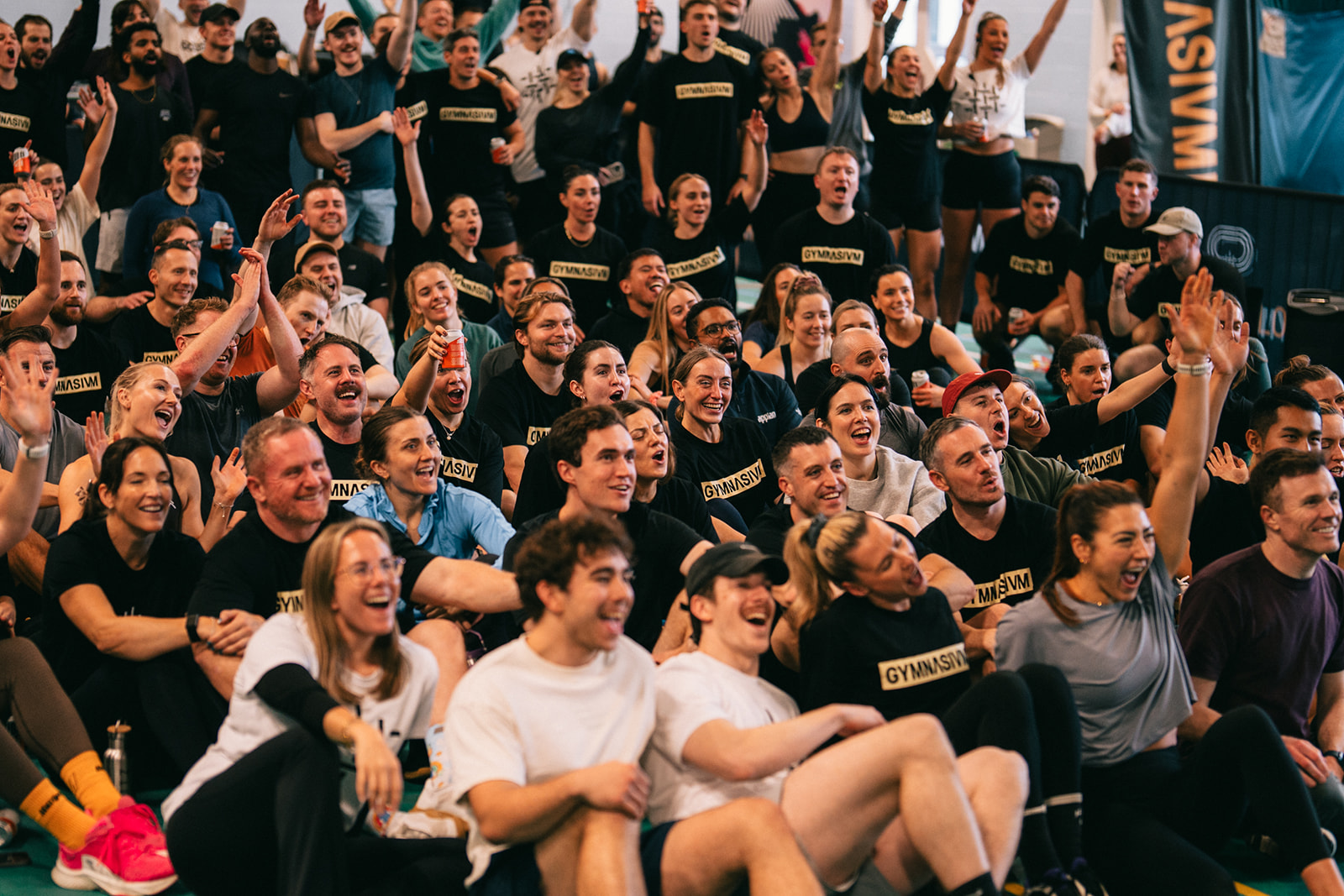
“One of the most welcoming gyms I've been to. The coaches and members are super friendly, and it's been a lovely place to make friends especially as the gym organises lots of socials.”
— Emma, Gymnasium Brixton
We accidentally designed friendship out of adulthood
Think about how you made friends when you were younger.
School. University. Sports teams. Neighbours. First jobs. You rarely tried to make friends. You simply saw the same people, over and over again. Five days a week. Months became years. Friendship happened almost by accident.
Then adulthood arrived.
You moved city. Changed jobs. Started working remotely. Had children. Bought a house forty minutes from everyone you knew. Suddenly making friends became something you had to schedule. And friendship doesn't respond particularly well to scheduling.
We confuse connection with contact
Modern life makes it incredibly easy to contact people. It doesn't make it easy to connect with them.
You can message hundreds of people instantly. Order dinner without speaking. Work without commuting. Shop without leaving your sofa. Stream instead of going out. None of those things are bad. But every one quietly removes the tiny interactions that used to stitch communities together.
The barista who knew your order. The colleague you always had lunch with. The neighbour you bumped into. The person you chatted to after five-a-side.
Friendship isn't usually built in one big conversation. It's built in fifty small ones.
Loneliness isn't the same as being alone
One of the biggest misconceptions is that lonely people are isolated. Many aren't. You can feel desperately lonely while sitting in an open-plan office, at a dinner party, or even in a family home.
The Office for National Statistics defines loneliness as the gap between the relationships you have and the relationships you want. Not simply the amount of time you spend by yourself.
That's an important distinction. Because solving loneliness isn't about filling your diary. It's about creating genuine relationships.
Researchers consistently find that social connection is associated with better physical and mental health, while social isolation is linked to poorer health outcomes and increased risk of premature mortality.
“Such an amazing gym with great vibes and friendly trainers. Great place to get fit and make friends!”
— Claire, Gymnasium Brixton
The missing ingredient is repetition
Psychologists have known for decades that repeated exposure builds familiarity, trust and eventually friendship. It's one reason school friendships felt effortless. You were simply there. Again. And again. And again.
Adults rarely have that anymore. Most socialising becomes events. Coffee next Thursday. Drinks next month. Birthday in September. Friendship struggles when every interaction requires planning. It thrives when showing up is part of the routine.
Why class-based training quietly solves this problem
People often think they join a gym for fitness. Some do. Many stay for something else.
The best training environments create something surprisingly rare in modern life: regularity. Every Monday. Every Wednesday. Every Saturday morning. The same faces. The same coach. The same terrible jokes. The same shared suffering during the workout.
Nobody arrives thinking: "I'm here to make lifelong friends." But that's often exactly what happens. Not because gyms are magical. Because they're one of the few remaining places where adults repeatedly share effort with the same people. In fact, research shows the social benefit of training with others might be as important for your health as the physical training itself.
Class-based training is different from solo gym visits. You're not alone with your headphones. You're coached. You're part of something. The coach remembers your name. Notices when you've been away. You see the same people every session.
The structure creates belonging. The repetition creates connection. The shared effort creates trust.
The best communities aren't trying to be communities
There's an irony here. People don't usually make friends by trying to make friends. They make friends by doing something else. Playing football. Running. Climbing. Volunteering. Learning. Training.
The activity removes the pressure. Conversation becomes natural. Relationships develop without forcing them.
It's why asking "Where can I make friends?" is often the wrong question.
A better question is: "Where can I regularly do something I genuinely enjoy with the same group of people?"
Friendship is usually a side effect.
“The gym does a brilliant job at fostering a community of like-minded people who come together to get fit, but what makes it shine is the fun socials.”
— Robyn, Gymnasium Brixton
The future belongs to places where people belong
For years, gyms were measured by square footage, equipment, programmes and opening hours. They still matter.
But increasingly, that's not what people are actually buying. They're buying a place where someone knows their name. Where someone notices if they haven't been in for two weeks. Where high fives are normal. Where conversations happen before class starts. Where "See you Thursday" isn't just polite. It's expected.
In a world becoming more digitally connected but often socially disconnected, those places matter more than ever.
Maybe people aren't searching for friends after all. Maybe they're searching for somewhere friendships still happen naturally. A gym where coaching is real. Where class-based training creates genuine connection. Where you're scaled to the individual, but never alone. Where events and socials extend that connection beyond class—because the friendship you build in the gym shouldn't stay in the gym.
And perhaps that's exactly what the best gyms have been quietly providing all along.