Why We Train Too Hard
The hardest part of training isn't pushing yourself. It's holding yourself back.
7 min read
Every runner has done it.
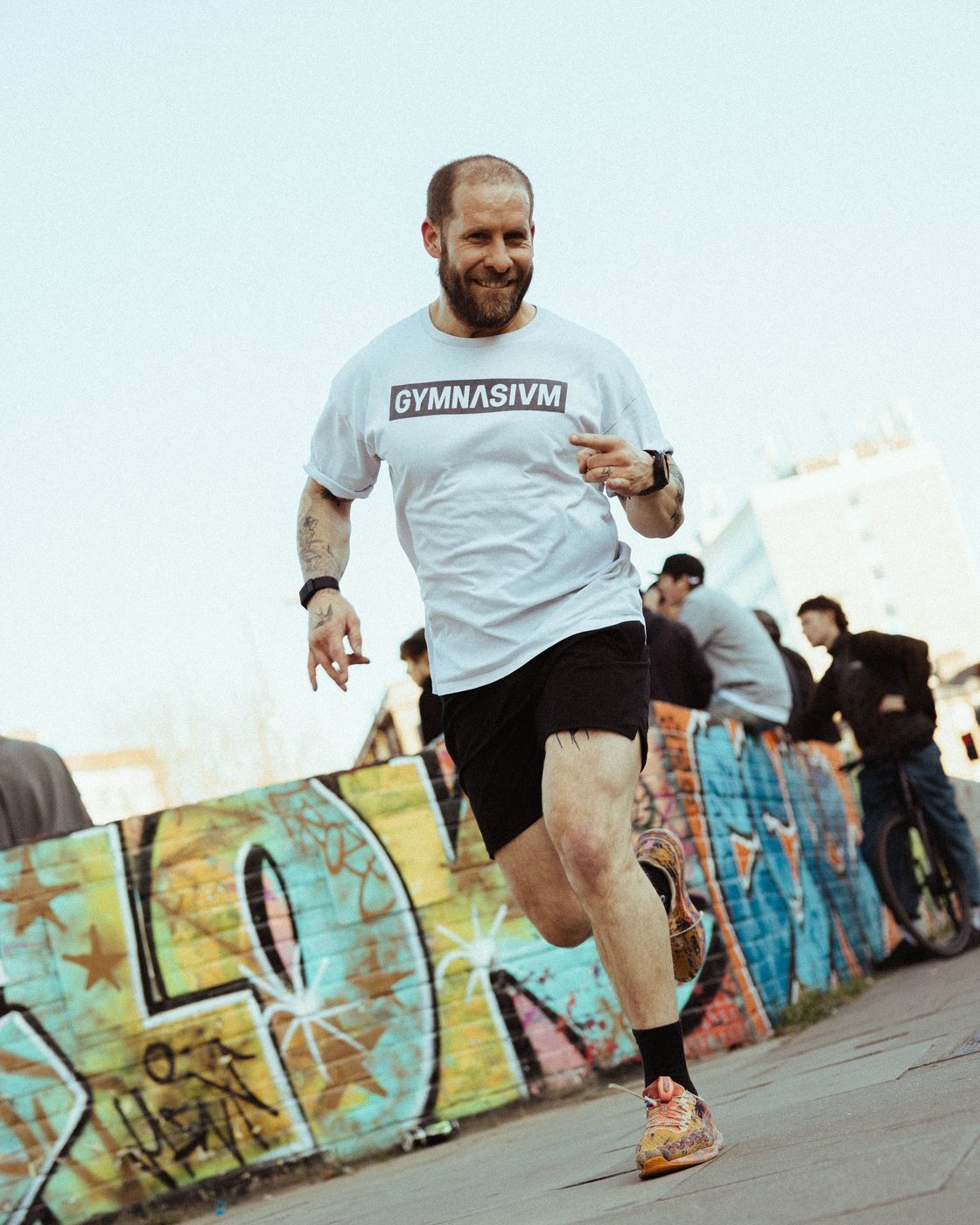
You're halfway through what was supposed to be an easy run when someone comes past you. They're not racing. You're not racing. But suddenly you are.
Your pace creeps up. Your breathing becomes heavier. By the end of the run you've convinced yourself it was a good session because it was harder than planned. It feels like discipline. Often, it's ego.
Not the loud, arrogant kind. The quiet kind. The part of us that wants to prove we're fitter than we are. The part that worries about being overtaken. The part that doesn't want to choose the lighter kettlebell. The part that refuses to scale a workout.
It's one of the least talked about barriers to fitness. And one of the biggest.
“The real unique touch to this gym are the coaches - they are supportive, knowledgeable and create a culture that makes you want to come back.”
— Charlie, Gymnasium Brixton
We don't exercise to get tired
This sounds obvious. But it's worth saying.
The goal of exercise isn't to become exhausted. The goal is to become better. Those aren't always the same thing.
A marathon runner doesn't train to become good at feeling shattered. A weightlifter doesn't train to miss lifts. A tennis player doesn't practise until they can't hold a racket.
Every training session has a purpose. Sometimes that purpose is to build strength. Sometimes it's speed. Sometimes it's skill. Sometimes it's recovery. The intensity should match the adaptation you're trying to create.
Unfortunately, many people only have one gear: hard.
Why hard feels productive
Part of the problem is cultural. We've been taught that effort should look dramatic. The runner collapsed on the finish line. The athlete crawling off the gym floor. The social media post that says: "No pain. No gain."
The workout only counts if you can barely walk afterwards. It's an attractive idea. Unfortunately, biology doesn't work that way.
Your body responds to the quality of the training stimulus. Not how heroic it looked. Sometimes the best workout of the week is also the least impressive.
The hidden ways ego shows up
Most people imagine ego as showing off. In reality it's much subtler.
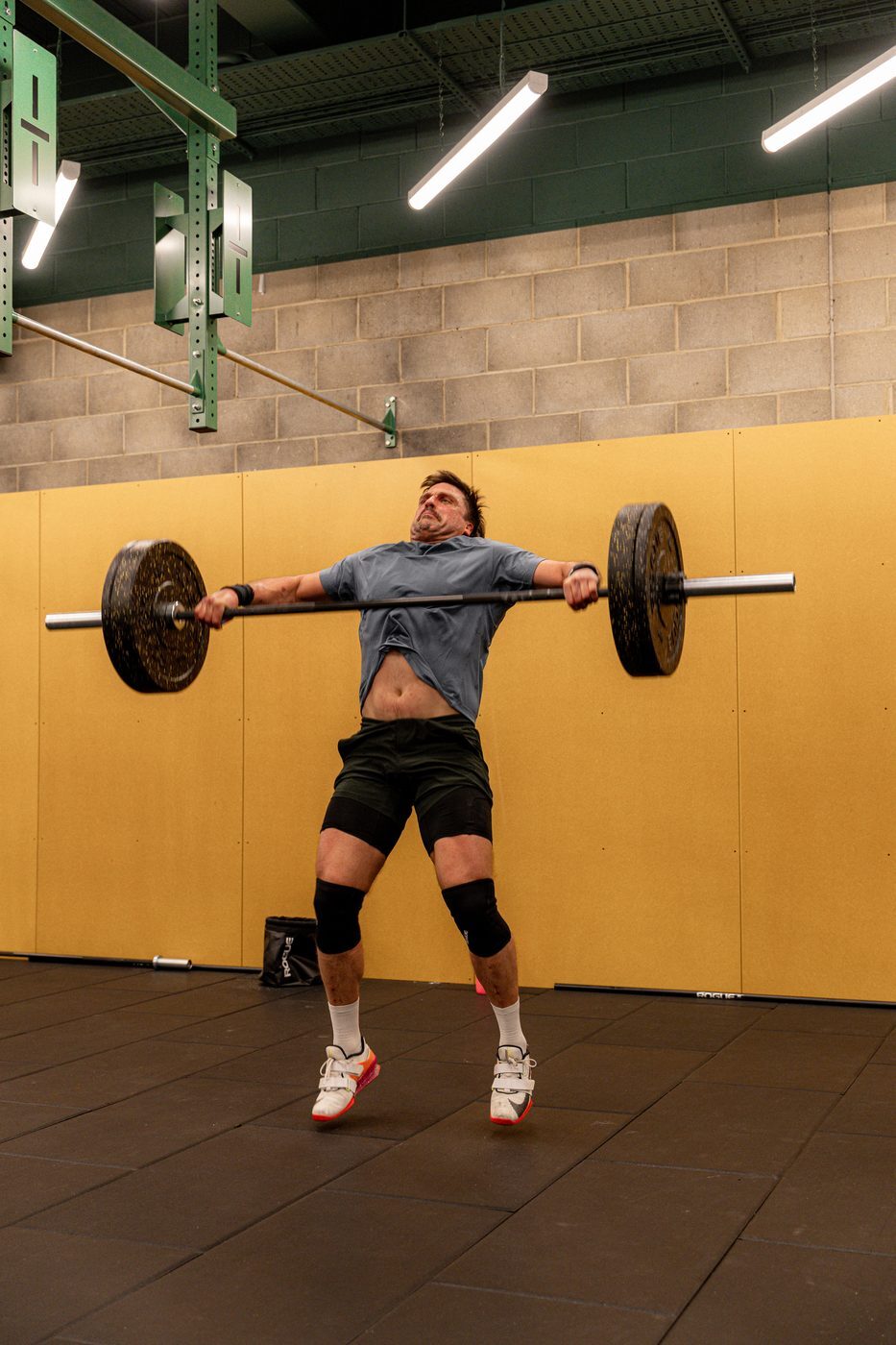
Ego says: "I'll just add another five kilos." Even though your technique starts to fall apart.
Ego says: "I don't need the easier option." Even though that's exactly what today's programme is designed for.
Ego says: "I'll keep up with the fastest group." Even though you're supposed to be building an aerobic base.
Ego even shows up after injury. People return too quickly because slowing down feels like admitting weakness.
The irony? The stronger athlete is often the one willing to back off.
Comparison is everywhere
Modern fitness makes this even harder. Every session is measured. Every run is uploaded. Every lift can be shared. Leaderboards. Badges. Calories. Paces. Heart rates.
None of these things are inherently bad. In fact, they can be incredibly motivating. But they also encourage us to compare our performance with everyone else's rather than with yesterday's version of ourselves.
Comparison changes the purpose of training. Instead of asking: "What does my body need today?" We ask: "What will look good?" Those are very different questions.
“Whether you're a beginner or want to step things up and take it to the next level with CrossFit, the gym has a great team of coaches, friendly and sociable members.”
— Ronan, Gymnasium Brixton
The best athletes don't chase every session
Watch elite athletes closely and something surprising happens. Much of their training looks ordinary. Easy cycling. Steady running. Submaximal lifting. Long conversations during training.
That's because they understand something recreational exercisers often don't. They aren't trying to win Tuesday. They're trying to peak in six months. Every session fits into a bigger plan. The easy days create the capacity for the hard days.
Confidence doesn't need proving
There's an interesting paradox in coaching. The most experienced athletes are often the happiest to reduce the weight. To slow the pace. To repeat a drill. To ask questions. They're confident enough not to need every workout to prove something.
Beginners often do the opposite. They think confidence comes from never stepping back. Actually, confidence comes from knowing when to.
Training for decades
At Gymnasium we often talk about capability. Not because competition is unimportant. Competition can be brilliant. But because life is longer than any training cycle.
The goal isn't simply to survive today's workout. It's to be lifting confidently in your sixties. Running comfortably in your seventies. Playing with grandchildren without thinking twice.
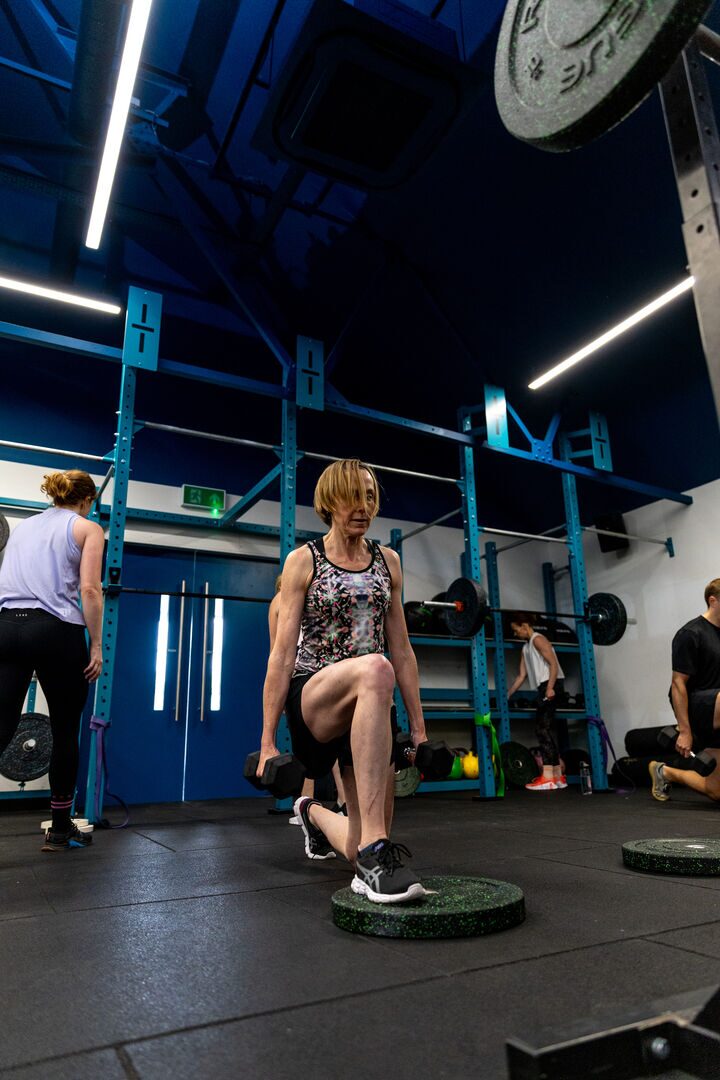
That means respecting recovery. Building an aerobic base. Getting stronger gradually. And occasionally choosing the lighter dumbbells. Not because you can't lift more. Because today isn't the day to.
A better question
Before every workout, ask yourself one simple question: "What adaptation am I trying to create?"
If today's goal is strength, lift with intention. If today's goal is power, move explosively. If today's goal is aerobic building, don't let your ego turn it into a race. If today's goal is recovery, recover.
Every session has a purpose. Not every session needs to be a test.
“Incredible coaching and programming, brand new facilities and a great community spirit. Whatever your ability you will be supported, guided and driven to take it to the next level.”
— Cameron, Gymnasium Brixton
The Gymnasium view
The best coaching isn't about making every workout harder. It's about making every workout more effective. Sometimes that means encouraging you to push. Sometimes it means encouraging you to slow down. Sometimes it means reminding you that nobody else in the room is judging the weight on your bar as much as you think they are.
Fitness isn't built by winning individual workouts. It's built by accumulating hundreds of well-executed sessions over many years.
Leave your ego at the door. Take your fitness with you.