Strength Training for Women Over 40: Why Muscle Matters More Than Ever
The most important investment in your future health probably isn't cardio. It's building muscle.
13 min read
For decades, women were told to focus on being smaller.
Eat less. Burn calories. Do more cardio.
The result? Generations of women who became very good at losing weight, but often never learned how to build strength.
Today, the science tells a different story.
If you're a woman in your 40s, 50s or beyond, strength training may be one of the most powerful tools available for improving health, maintaining independence, managing menopause symptoms, protecting bone density, supporting mental wellbeing and extending quality of life.
The goal isn't to become a bodybuilder. The goal is to become harder to break.
“I am in my 40s so have tried many gyms but this one is just a little bit different.”
— Ivana, Gymnasium Brixton
Muscle Is Your Retirement Fund
Most people think of muscle as something athletes care about. In reality, muscle is one of the strongest predictors of long-term health.
From our 30s onwards, we naturally begin to lose muscle mass. This process accelerates during and after menopause due to falling oestrogen levels. Researchers estimate that women can lose significant amounts of muscle, strength and power during the menopausal transition if they don't actively work to maintain it.
Why does this matter?
Because muscle isn't just for movement. It helps regulate blood sugar. It supports metabolic health. It improves balance and coordination. It protects joints. It reduces the risk of falls. It helps maintain independence later in life.
Quite simply, muscle allows you to keep doing the things you enjoy. Carrying shopping. Picking up grandchildren. Travelling. Playing sport. Living life on your terms.
Menopause Changes The Rules
Many women reach their mid-40s and suddenly feel like the things that used to work no longer do.
The weight creeps up. Energy drops. Recovery takes longer. Sleep becomes unpredictable. Body composition changes.
This isn't a lack of willpower. It's biology.
Declining oestrogen influences where fat is stored, how muscle is maintained and how effectively the body recovers. This is one reason strength training is now widely recommended as a cornerstone of healthy ageing and menopause management.
Lifting weights tells the body something simple: keep this muscle, maintain this bone, stay capable.
That signal matters. It changes what your body does with the next training session, the next meal, the next night's sleep.
Strength Training Isn't About Looking Like A Powerlifter
One of the most persistent myths is that lifting weights will make women bulky.
The reality is very different.
Building large amounts of muscle requires years of dedicated training, nutrition and genetics. Most women who begin strength training experience something else entirely: they feel stronger, they move better, their posture improves, they gain confidence, their clothes fit differently, their energy increases.
They develop a body that is more capable rather than simply lighter.
In many cases, strength training helps women achieve the physique they're looking for far more effectively than endless hours on a treadmill.
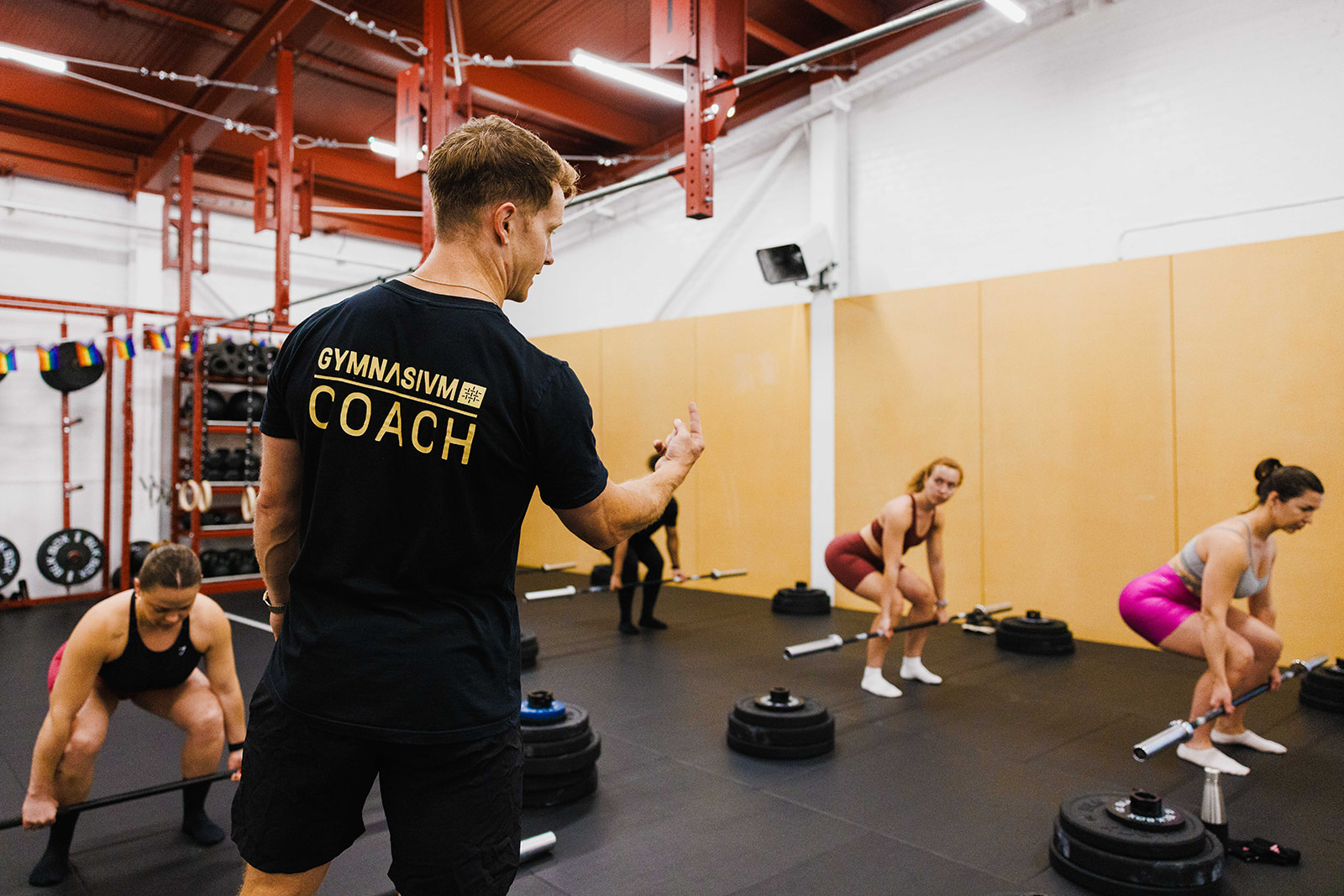
The Science Behind Muscle & Longevity
Research increasingly shows that muscle mass is one of the clearest indicators of healthy ageing. Strength, measured through grip strength and functional capacity, is linked with better health outcomes as people age.
This isn't just about avoiding falls or maintaining independence, though those matter enormously.
Muscle supports metabolic health. It helps regulate blood glucose and insulin sensitivity, reducing the risk of type 2 diabetes. It improves cardiovascular health. It supports mental wellbeing by reducing anxiety and depression. It maintains bone density, which is particularly important for women navigating hormonal changes.
In other words, muscle is health infrastructure. It's the foundation that allows everything else to work properly.
“They have structured classes that will take you from beginner to advanced while building your confidence with the equipment and form.”
— Eileen, Gymnasium Brixton
Confidence Is Often The Biggest Barrier
The challenge isn't usually motivation. It's confidence.
Many women want to lift weights but feel intimidated by traditional gym environments. They're worried they won't know what they're doing. They're concerned about being judged. They're unsure where to start.
And they're not alone. Recent fitness research found that a significant percentage of people don't feel confident working out, while many aspiring lifters report feeling intimidated by weights areas and overwhelmed by conflicting advice.
This is exactly why coaching matters. You don't need more information. You need guidance. A plan. A coach. A supportive environment. A group of people who are on a similar journey. That's exactly what Gymnasium Start is designed to give you.
Why Community Matters More Than You Think
One of the biggest misconceptions about strength training is that it's a solitary pursuit.
Headphones on. Train alone. Leave.
For many women, that sounds awful. And research backs this up.
People are far more likely to stay consistent when they feel connected to others. Current fitness research highlights the growing importance of community, belonging and social connection in exercise participation. People increasingly value supportive environments, good energy and group experiences.
This is one reason group-based strength training continues to grow. It removes decision fatigue. It provides accountability. It creates structure. Most importantly, it makes training enjoyable.
Because fitness that you enjoy is fitness you'll continue doing.
You Don't Need To Train Like A 25-Year-Old
Training hard after 40 does not mean training stupidly.
You don't need to smash yourself into exhaustion six days a week. You don't need to chase every fitness trend. You don't need to compare yourself to social media versions of fitness.
Two or three well-coached strength sessions per week can make a profound difference to muscle mass, bone health, metabolic health, confidence and quality of life.
The aim is structured progression, not maximal chaos. Heavy enough to create adaptation. Technical enough to build skill. Varied enough to stay interesting. Repeatable enough to produce progress. Recoverable enough that you can come back and train again.
This is where coaching and structure matter.
What Good Strength Training Looks Like For Women Over 40
A strong approach includes compound movements that work multiple muscle groups: squats, deadlifts, presses, rows and carries. These build functional strength that transfers to real life.
It includes both heavy and lighter sessions, creating stimulus without excessive fatigue. It addresses common issues for women navigating midlife: shoulder health, spinal stability, hip mobility, energy levels.
It combines strength work with conditioning to build cardiovascular capacity. It includes proper mobility and recovery so you can keep training long-term.
Most importantly, it's delivered by coaches who understand female physiology, menopause, individual differences and the importance of progression over perfection.
“Gymnasium is the world of sweat, steel, and serious gains. This is the place where muscles are made and limits are crushed.”
— Anna, Gymnasium Brixton
The Best Time To Start Was Ten Years Ago
The second-best time is today.
You don't need to have done this before. You don't need to be naturally athletic. You don't need to commit to months of training before seeing results.
What you need is to start.
Because the goal isn't just to live longer. It's to stay strong enough to enjoy the extra years. It's to maintain the physical capacity to do the things you care about. It's to move through the world with confidence and capability.
For women navigating their 40s, 50s and beyond, that might be one of the most valuable investments they can make in themselves.