VO₂ Max: The Fitness Number That Predicts How Long You'll Live
VO₂ max is one of the strongest predictors of how long you'll live and how well you'll age. And unlike your genetics, it's something you can improve.
9 min read
There are hundreds of numbers your smartwatch can give you. Heart rate. Sleep score. Recovery score. Training load. Body fat. Steps.
Most are interesting. One may be more important than almost all the others.
VO₂ max.
Not because it's the only thing that matters. But because, over the last forty years, study after study has shown that your level of cardiorespiratory fitness is one of the strongest predictors of how long you'll live and how well you'll age.
The remarkable thing? Unlike your height or your genetics, it's something you can improve.
“Outstanding new facility, with top of the range equipment in the heart of Brixton. There is something for everybody, whether you are new on your fitness journey or someone who's been doing it for a while, you'll be challenged.”
— Wesley, Gymnasium Brixton
What is VO₂ max?
VO₂ max is the maximum amount of oxygen your body can take in, transport and use during intense exercise.
Think of it as the size of your aerobic engine. A bigger engine can produce more energy. That doesn't automatically make you a faster runner or a better cyclist. Technique, strength, skill and experience all matter too.
But a larger engine gives you more capacity to work with.
Imagine two identical cars. One has a 1.2-litre engine. The other has a 3.0-litre engine. At 70 mph, the larger engine is working well within its capabilities. The smaller engine is working much harder.
Your body works in much the same way. The higher your VO₂ max, the easier everyday physical tasks become relative to your maximum capacity.
Why does it matter outside sport?
This is where things become really interesting. Most people think VO₂ max is only relevant if you're training for a marathon or trying to qualify for the Olympics. The evidence says otherwise.
Researchers have consistently found that people with higher cardiorespiratory fitness have a substantially lower risk of dying from cardiovascular disease, certain cancers and all causes combined than people with lower fitness. Even modest improvements from very low fitness are associated with significant reductions in risk.
In fact, some researchers have argued that low cardiorespiratory fitness should be viewed as a major modifiable health risk factor alongside smoking, high blood pressure and diabetes.
That's a bold statement. But it's one supported by decades of research.
Why oxygen matters
Every movement you make requires energy. Your muscles produce that energy using oxygen. The more oxygen your heart can pump, the more oxygen your lungs can absorb, the more oxygen your muscles can use, the more work you can perform before fatigue sets in.
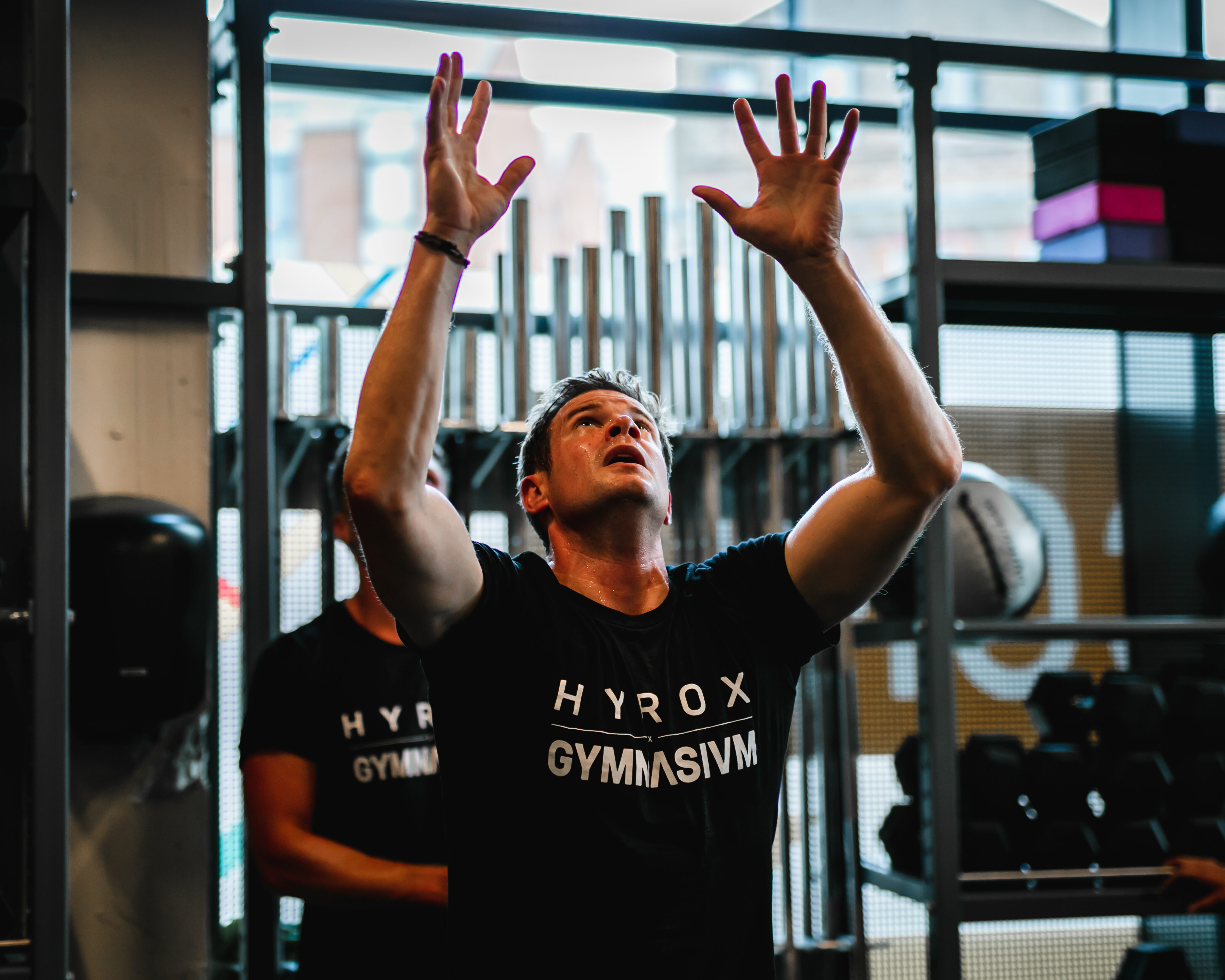
That's true whether you're climbing stairs, carrying shopping, chasing your children around a park, hiking in the Lake District, completing a HYROX race, playing five-a-side football or training in a Gymnasium class.
VO₂ max isn't really about elite performance. It's about capacity. And having more capacity makes almost everything easier.
Why VO₂ max declines with age
Like muscle mass and bone density, VO₂ max naturally declines as we get older. Part of that decline is biological. But much of it is behavioural.
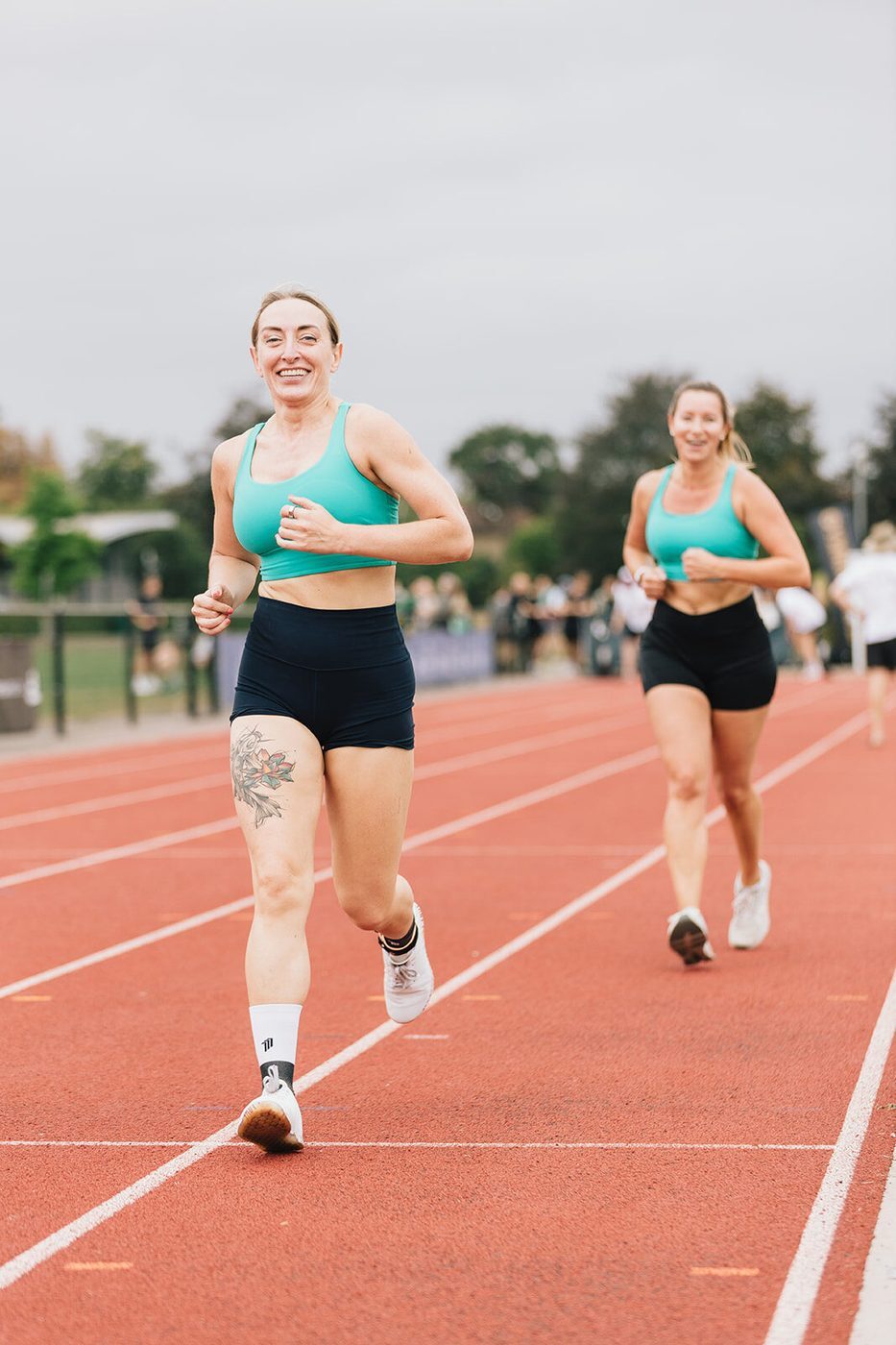
We move less. We sit more. We stop challenging our cardiovascular system. The result is a gradual shrinking of our aerobic capacity.
Many people assume that's simply what ageing looks like. It isn't. Research consistently shows that physically active adults maintain substantially higher levels of cardiorespiratory fitness than sedentary people of the same age.
Growing older is inevitable. Becoming dramatically less fit isn't.
Can you improve VO₂ max?
Absolutely. In fact, it's one of the most trainable aspects of human physiology.
The biggest improvements usually come from combining three ingredients.
1. Build an aerobic base
Before you worry about intervals, you need an engine. This is where low-to-moderate intensity aerobic work comes in. Regular easy cardio improves the heart's ability to pump blood, increases mitochondrial density within muscles and improves oxygen delivery throughout the body.
It's the foundation. Without it, everything else is built on sand.
2. Train hard—occasionally
Once you've built a base, high-intensity intervals become incredibly effective. These sessions push your cardiovascular system close to its maximum capacity. Done well—and recovered from properly—they stimulate further improvements in VO₂ max.
Notice the emphasis on occasionally. Many recreational exercisers accidentally turn every workout into a medium-hard effort. Ironically, they end up not training easily enough to build an aerobic base or hard enough to maximise high-intensity adaptations.
3. Get strong
Strength training doesn't directly increase VO₂ max to the same extent as aerobic exercise. But it makes you more capable. Stronger muscles require less relative effort during daily activities. They improve movement efficiency. They reduce injury risk. They allow you to continue training consistently.
And consistency beats almost every clever training hack.
“The atmosphere is friendly and supportive, and the coaches are amazing – they really know their stuff.”
— Sophie, Gymnasium Brixton
Can you measure VO₂ max?
The gold standard is a laboratory exercise test using a mask that measures oxygen consumption while exercise intensity gradually increases. It's accurate. It's fascinating. It's also unnecessary for most people.
Many modern sports watches estimate VO₂ max using pace, heart rate and training history. They're not perfect. But they're often good enough to show whether you're improving over time.
The absolute number matters less than the trend.
What is a good VO₂ max?
People love comparing numbers. That's understandable. But context matters. Age matters. Sex matters. Training history matters. A 25-year-old competitive cyclist and a 60-year-old who has just started exercising shouldn't expect the same score.
More importantly, you don't need an elite VO₂ max to enjoy enormous health benefits. The biggest gains often come when someone moves from poor fitness to average fitness. That's encouraging. Because it's achievable for almost everyone.

The biggest mistake people make
Many people think every cardio session should leave them breathless. It feels productive. It feels like hard work. But constantly training at high intensity is often the quickest route to fatigue, inconsistency and burnout.
Elite endurance athletes don't train flat out every day. Most of their weekly training is surprisingly controlled. They build their aerobic base patiently. Then they add carefully targeted high-intensity work.
They understand something recreational exercisers often forget: fitness is built over months and years. Not individual workouts.
VO₂ max is about more than exercise
A higher VO₂ max isn't valuable because it makes you a better athlete. It's valuable because it gives you options.
It means walking upstairs without thinking about it. Keeping up with your children. Playing sport into your fifties. Travelling without worrying about hills. Saying yes to adventures. Remaining independent later in life.
In other words, it's not really about oxygen. It's about freedom.
“They have structured classes that will take you from beginner to advanced while building your confidence with the equipment and form.”
— Eileen, Gymnasium Brixton
The Gymnasium view
People often join a gym because they want to lose weight. Or build muscle. Or fit into an old pair of jeans. Those are perfectly good reasons to start.
But over time, the goal usually changes. People discover something more valuable than looking fitter. They discover what it feels like to be capable. To move well. To recover quickly. To say yes to things they once avoided.
That's what we're really training. VO₂ max is simply one of the best measurements we have of that capability. Not because it predicts how fast you'll finish a workout. Because it helps predict how well you'll keep living life outside the gym.