Why Your Beliefs About Age Might Matter More Than Anything Else
What you believe about aging affects how you age. And the science is remarkable.
11 min read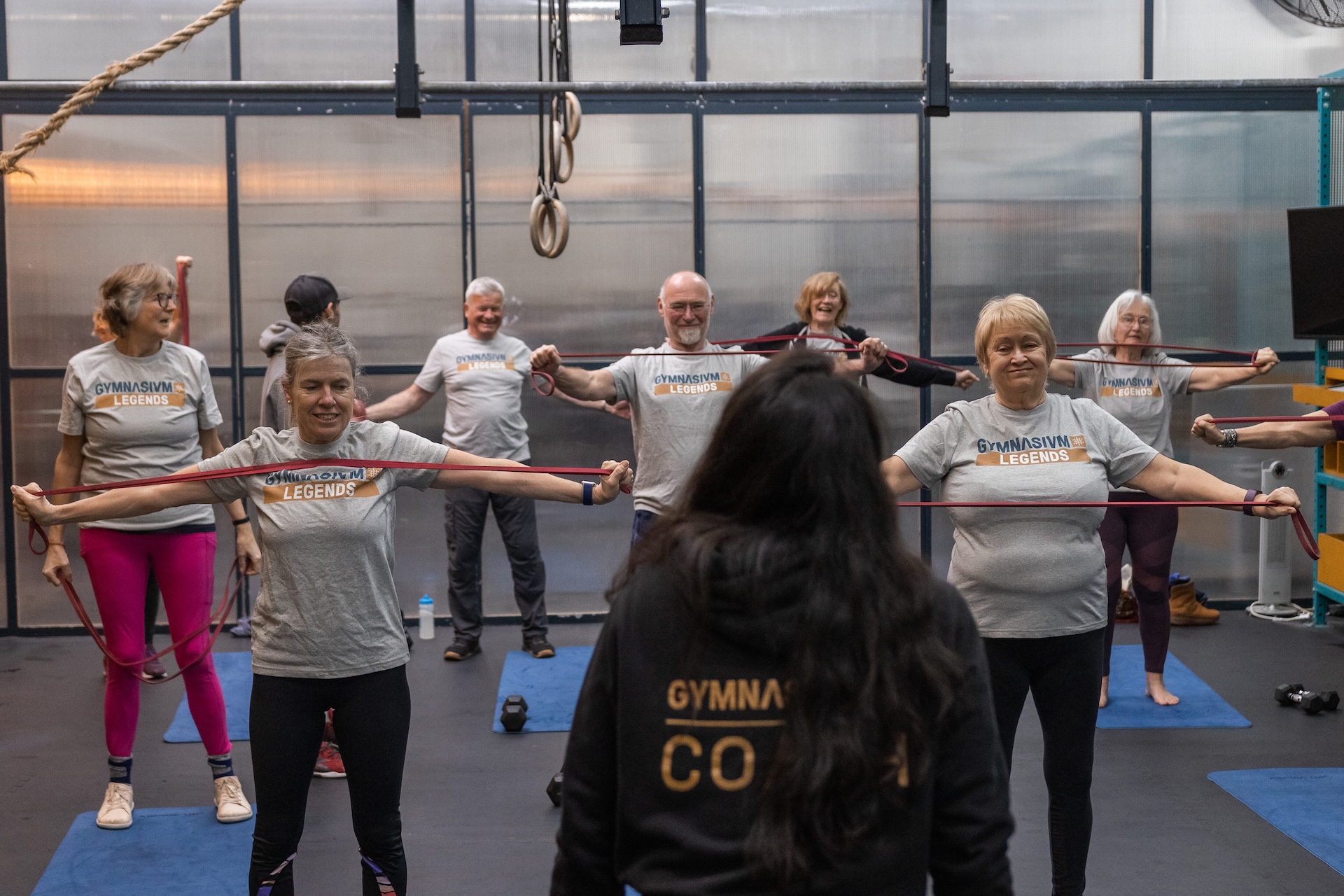
What if one of the biggest predictors of how long you'll live wasn't your cholesterol, your blood pressure, or even how much exercise you do?
What if it was what you believe about getting older?
It sounds improbable.
Yet a growing body of research suggests that our beliefs about aging have a profound effect on our health, wellbeing, physical function and even lifespan.
In fact, people with positive beliefs about aging have been shown to live, on average, 7.5 years longer than those with more negative views.
Not because they won the genetic lottery. Not because they took better supplements. Because they believed a different story. And then unconsciously lived it.
“The coaches are genuinely outstanding—knowledgeable, approachable, and always pushing you to improve while keeping sessions safe and enjoyable.”
— Adam, Gymnasium Brixton
The Stories We Absorb
Most of us are exposed to messages about aging from childhood.
"You're over the hill." "You're too old for that." "Everything starts going downhill after 40." "Wait until you're my age."
These comments often seem harmless. Sometimes they're even delivered as jokes.
The problem is that the human brain is remarkably good at turning repeated messages into expectations.
By the time we reach middle age, many of us have spent decades absorbing the idea that aging means becoming weaker, slower, less capable, less relevant and less adventurous.
Eventually, we stop questioning those assumptions. We simply start acting them out.
The Science Behind It
One of the leading researchers in this field is Dr. Becca Levy, a professor at Yale University and author of Breaking the Age Code.
Her work led to the development of Stereotype Embodiment Theory. The theory proposes that age-related stereotypes become internalised throughout life and eventually influence our behaviour, physiology and health outcomes.
In simple terms: what you believe about aging affects how you age.
People who expect decline are more likely to notice decline. People who see themselves as fragile often become less active. People who believe physical deterioration is inevitable are less likely to challenge themselves physically.
And over time, these beliefs can become self-fulfilling.
The reverse is also true. People who see aging as a period of continued growth, learning, contribution and capability tend to make different decisions. They remain more physically active. They engage socially. They recover better from setbacks. They maintain greater independence. And they often enjoy better health.
Seven and a Half Extra Years
Perhaps the most remarkable finding from Levy's research is the longevity data.
People with positive age beliefs lived an average of 7.5 years longer than those with negative beliefs.
Pause for a moment. Many people spend enormous amounts of money chasing interventions that might extend lifespan by a few months. Yet a shift in mindset appears to have a bigger effect than many commonly discussed health strategies.
This doesn't mean positive thinking magically prevents disease. It means that beliefs influence behaviour. Behaviour influences health. And health influences longevity.
The Hidden Cost of Ageism
Ageism isn't just a social issue. It's a health issue.
Research analysing hundreds of studies across dozens of countries found that ageism is associated with poorer mental health, worse physical health, increased stress, reduced quality of life and even earlier mortality.
When society repeatedly tells people that aging means decline, many begin withdrawing from activities that protect their health. They exercise less. Challenge themselves less. Take fewer risks. Become less socially connected. Stop learning new things.
Gradually, the world gets smaller. Not because they're incapable. Because they believe they are.
“The workouts are properly tough but in a good way — you always leave feeling great.”
— Tatiana, Gymnasium Brixton
Why This Matters For Fitness
This is where physical training becomes incredibly powerful.
Not simply because it strengthens muscles. Because it challenges assumptions.
Every time a 55-year-old learns to deadlift. Every time a 62-year-old completes their first 5km run. Every time a 70-year-old masters a new movement skill. A story gets rewritten.
"I can't" becomes "Maybe I can." "People my age don't do this" becomes "Perhaps they do."
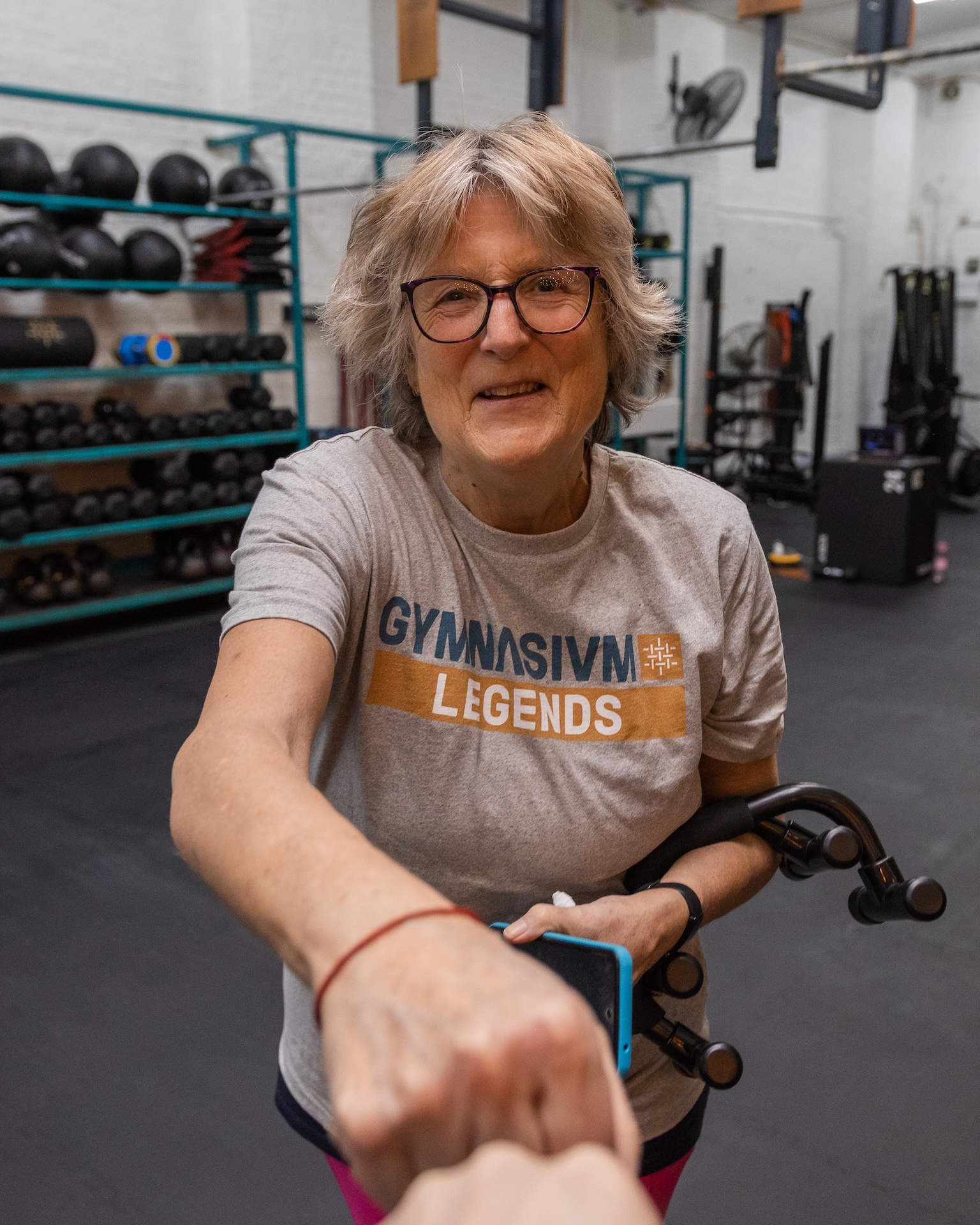
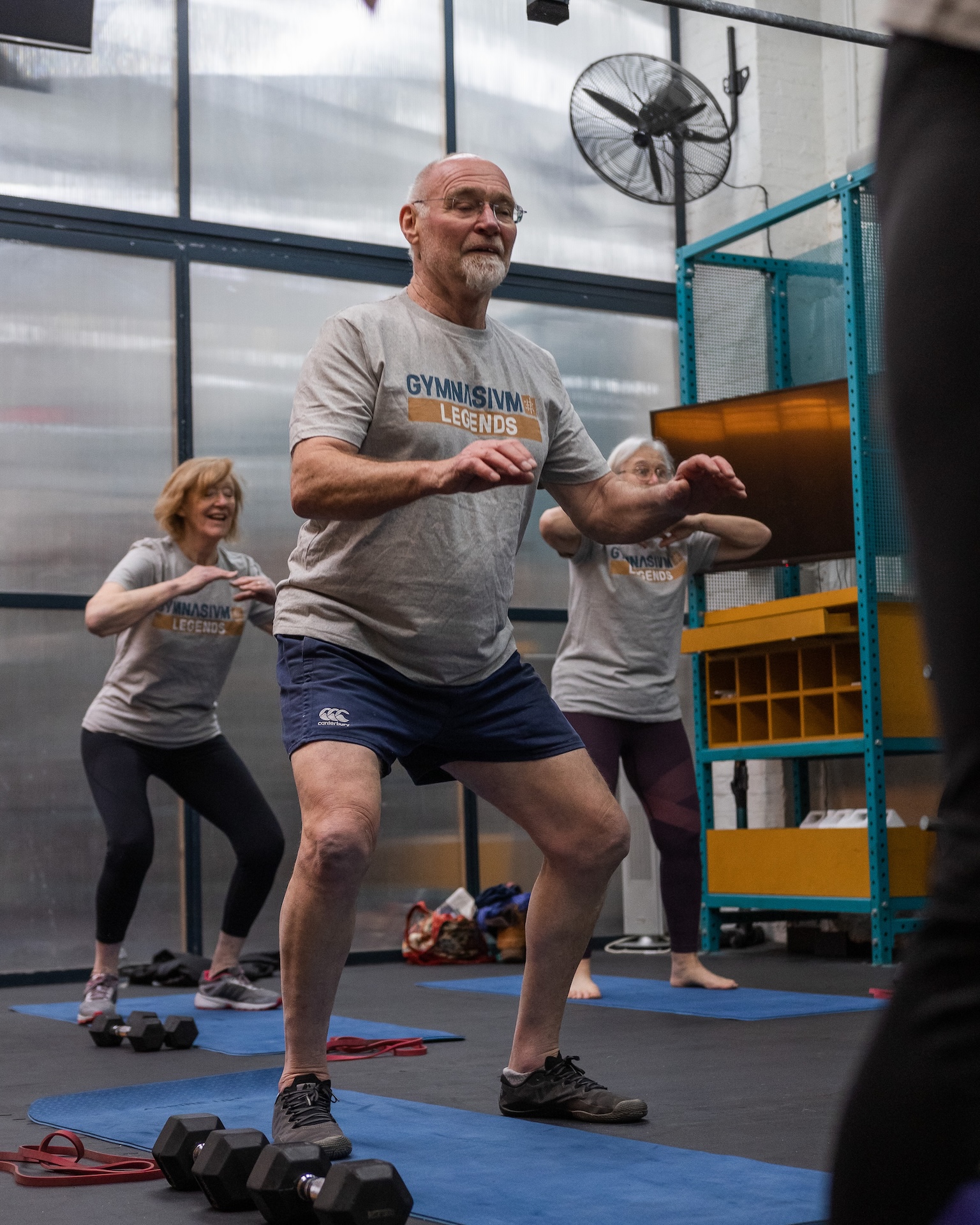
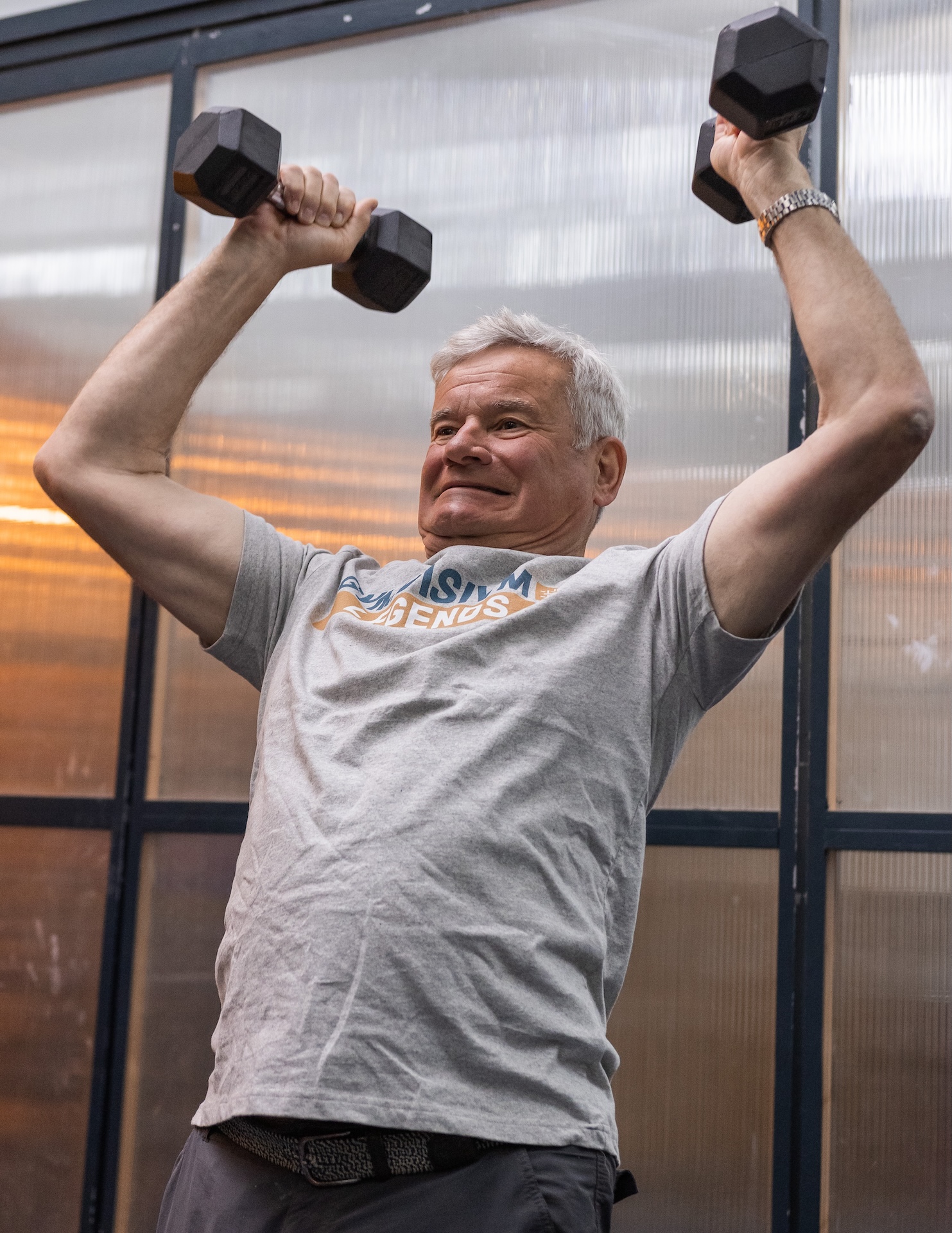
At Gymnasium, we see this all the time. Members arrive believing certain doors have closed forever. Running. Lifting. Learning. Competing. Improving. Then, sometimes within weeks, they discover those doors were never locked. Nobody had simply shown them how to open them.
This is why our Legends program exists. Not as charity. As proof. Real people, real age, real capability. Still learning. Still growing. Still becoming.
The Confidence Loop
Positive age beliefs don't emerge from motivational quotes. They emerge from evidence.
The strongest way to change what you believe about yourself is to accumulate proof.
That's why physical training can be so transformative. Not because it changes your body. Because it changes your identity.
You start seeing yourself as someone who can adapt. Someone who can improve. Someone who can still learn. Someone who is not finished yet.
That confidence often spills into other areas of life. Work. Relationships. Travel. New hobbies. New experiences. The gym becomes much bigger than the gym.
Five Ways To Build Positive Age Beliefs
1. Audit Your Language
Pay attention to the things you say about yourself. "I'm too old." "My body can't do that anymore." "Those days are behind me." Would you say those things to someone you cared about? So stop saying them to yourself.
2. Find Better Role Models
The media often presents aging through a lens of decline. Actively seek examples that challenge that narrative. People who remain curious. People who continue learning. People who stay physically active. People who contribute and create. The goal isn't perfection. It's possibility.
3. Keep Learning New Skills
Learning is one of the strongest signals you can send your brain that growth is still happening. That might be strength training. A language. A sport. A musical instrument. A handstand. The skill itself doesn't matter. The challenge does.
4. Train For Capability
Many people approach fitness as a battle against aging. A better approach is to train for life. Train so you can hike. Travel. Play with grandchildren. Carry luggage. Run events. Explore. Do the things that make life richer.
5. Surround Yourself With People Who Believe Growth Is Possible
Environment matters. The people around us influence what feels normal. If everyone around you talks about inevitable decline, decline starts to feel inevitable. If you're surrounded by people pursuing progress, progress becomes normal.
“Great facility, great coaches, great workouts. Not only a gym but a great social community where you can get top results in terms of strength, cardio, fitness.”
— Benedetta, Gymnasium Brixton
The Opportunity Of Aging
We've been sold a strange idea: that aging is primarily a problem to solve, a battle to fight, a decline to minimise.
But another interpretation exists.
What if aging is simply the accumulation of experience? What if strength, wisdom, resilience and perspective can continue growing long after youth has passed? What if your fifties, sixties and seventies aren't a winding down? What if they're a different chapter entirely?
One of the most powerful things fitness can give us isn't a six-pack. It's evidence that we're still capable of change.
And that may be one of the most important health interventions of all.
Because the way we age starts with the story we tell ourselves about what aging means.
Choose that story carefully. Your future self is listening.