Fitness Trends 2027: The Future of Fitness Looks Surprisingly Familiar
Every January, the fitness industry discovers a new way to exercise. But as we look towards 2027, the biggest trend might be getting back to basics.
9 min read
Cold plunges. Wearable technology. Longevity. AI coaching. Reformer Pilates. Zone 2. HYROX.
There's no shortage of fitness trends, and some are genuinely exciting. Others are old ideas with new names and better marketing.
But look beyond the headlines and something interesting is happening. People are becoming less interested in exercise for its own sake and more interested in what it actually does for them.
They want to be stronger, healthier, more capable, less stressed and better equipped to enjoy life.
And they want to enjoy the process.
At Gymnasium, that's something we've believed in for a long time. So while we're always looking for ways to improve what we offer, we're not planning to reinvent how we train in 2027.
Here's why.
1. Longevity is replacing aesthetics as the big fitness goal
For years, fitness marketing has been dominated by how people look. Lose weight. Get lean. Build muscle. Look good on holiday.
Those goals haven't disappeared, but they're being joined by something arguably more important: how well your body works, and how long it keeps working.
Longevity has become a fashionable word, but the science behind it is pretty straightforward.
Maintaining muscle mass, cardiovascular fitness, mobility and balance helps us stay healthier and more physically capable as we age.
And the fundamentals haven't changed.
Squat. Hinge. Push. Pull. Carry. Run. Jump. Move.
These are the foundations of functional fitness and they're already at the heart of what we do at Gymnasium.
Our DELTΔ strength and engine sessions develop strength and cardiovascular fitness. ATHLETICA adds a wider range of movements, coordination and skills. Motion develops mobility, while our Legends programme is specifically designed for older adults.
None of this is particularly new. But its relevance has never been greater.
The goal isn't simply to live longer. It's to remain capable of doing the things you love for longer.
2. Strength training is for everyone. Finally.
Strength training has moved firmly into the mainstream.
The American College of Sports Medicine ranks traditional strength training among its top five fitness trends for 2027, reflecting a growing understanding of its importance for long-term health.
But there's a problem.
According to the 2026 Les Mills Global Fitness Report, 54% of aspiring lifters don't know where to start and 50% feel intimidated by the weights area of a gym.
Even experienced lifters aren't immune. Some 58% say conflicting advice makes it difficult to know how best to train.
This is exactly why we believe coaching matters.
At Gymnasium, you don't have to design your own programme or figure everything out from YouTube. Our coaches guide you through the movements, help you select the right weights and make sure you're progressing appropriately.
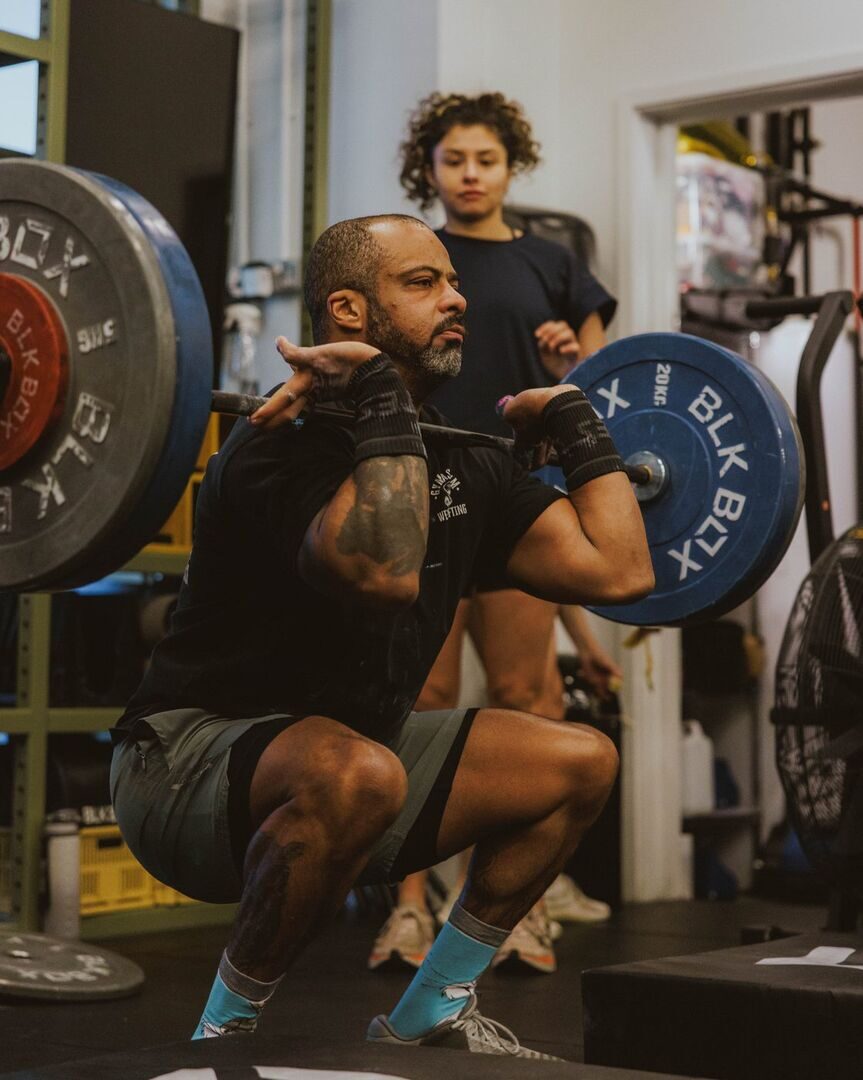
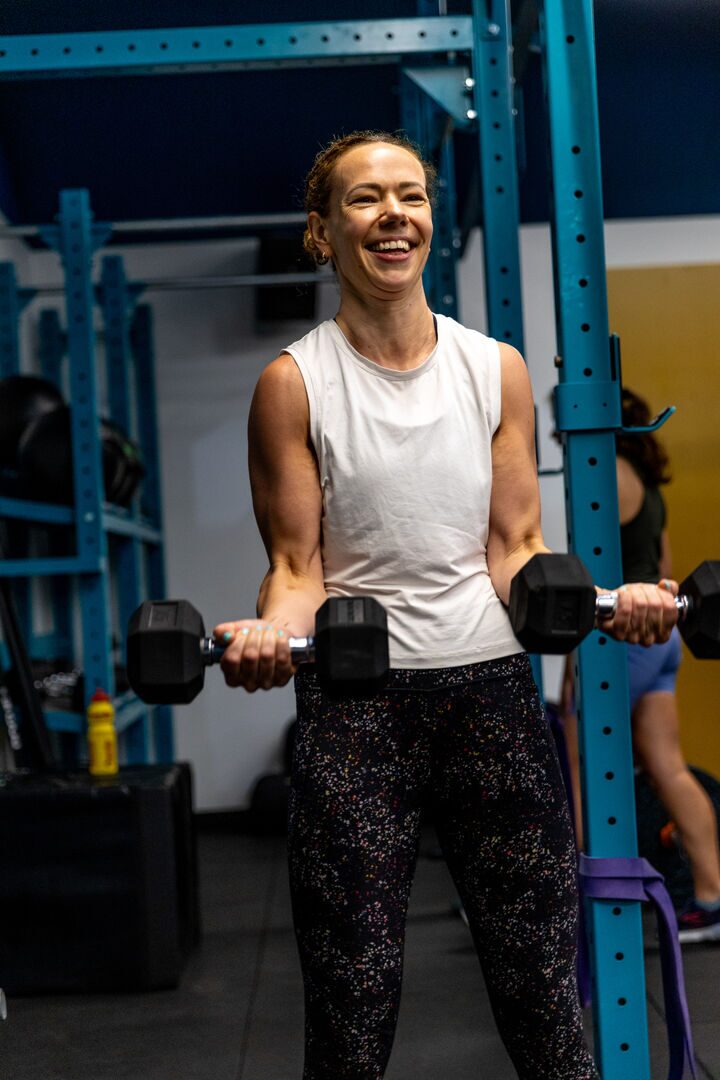
And you don't need to be fit before you start.
Every one of our main functional fitness classes includes a START track, offering an accessible version of the workout, with movements and intensity matched to your ability. Gymnasium Start is the guided way in.
Whether you're learning your first squat or working towards a new personal best, the principles are the same.
Good technique. Progressive overload. Consistency.
The basics work. You just need to do them. If you want the longer version, start with why muscle matters and why getting older should mean training harder, not softer.
3. The future isn't one type of training. It's a combination.
For a while, fitness became increasingly specialised.
You were a runner, a CrossFitter, a cyclist, a lifter or a Pilates person.
But there's growing recognition that the best approach to fitness combines different types of training.
Strength builds muscle and force. Aerobic exercise develops your heart and lungs. Mobility and balance improve movement quality. Higher-intensity conditioning develops your ability to work hard.
And importantly, not every session needs to leave you exhausted.
At Gymnasium, we've deliberately built our programming around different training needs.
DELTΔ separates strength and engine work, allowing members to focus on both. ATHLETICA brings additional skill development, Olympic lifting and gymnastics. Motion gives you time to work on mobility and movement quality.
Then there are our HYROX sessions, Run Club, Cycle Club and other opportunities to put your fitness to use.
You don't have to do everything.
In fact, for most people, a good starting point is two strength sessions, one or two conditioning sessions and regular easy movement throughout the week.
The important thing is finding a combination you enjoy and can sustain.
4. Recovery starts with sleep. Not an ice bath.
The fitness industry has spent decades encouraging people to work harder. Now we're getting better at understanding the importance of recovery.
And at the heart of recovery is sleep.
It's when much of the body's repair and adaptation takes place. Sleep supports muscle recovery, hormonal regulation, immune function, cognitive performance and the consolidation of new skills. Consistently poor sleep can undermine even the best training programme.
For most adults, that means aiming for seven to nine hours of good-quality sleep each night.
Beyond sleep, the fundamentals are straightforward: eat well, consume enough protein, manage your training load and give your body time to adapt. Easy aerobic exercise and mobility work can also play a useful role.
Of course, there's growing interest in recovery technologies, particularly saunas, cold-water immersion and contrast therapy.
We're exploring partnerships with specialist providers to give Gymnasium members access to these experiences alongside their training.
Some of these approaches have promising benefits, from relaxation to potentially reducing muscle soreness. But the science isn't always as straightforward as the marketing. Regular cold-water immersion immediately after strength training, for example, may actually blunt some of the muscle-building adaptations we're trying to achieve.
So by all means enjoy the sauna or take a cold plunge. But don't mistake recovery rituals for recovery itself. For more on this, read why recovery is not a product.
Get your sleep right first. Everything else comes second.
5. Fitness is becoming more measurable. But data needs context.
Wearable technology tops the ACSM fitness trends for 2027, and it's easy to understand why.
We can now track sleep, heart rate, recovery, estimated VO₂ max, training intensity and all manner of other metrics.
This can be incredibly useful.
But there's a difference between collecting data and understanding it.
Your watch might tell you that your recovery score is poor. It doesn't necessarily know how you feel after warming up, whether your technique is improving or why your performance has changed.
That's where coaching remains important.
We're also developing partnerships to give members access to body composition scanning, providing another way to understand changes in muscle mass, body fat and physical development over time.
These measurements aren't perfect, and they're certainly not the only measure of progress. But used consistently and interpreted properly, they can add useful context.
Of course, the numbers that matter might be much simpler.
You can lift more than you could six months ago. You can run further. You can do your first pull-up. You can get through a workout that once seemed impossible.
That's progress too.
6. Fitness is becoming more social. And that's a good thing.
One of the most interesting developments in fitness has little to do with exercise.
It's the growing importance of community.
The Les Mills report found that 64% of people are more likely to exercise when the environment has a good atmosphere. And 51% of regular exercisers encourage friends to take part in workouts they enjoy.
That shouldn't come as much of a surprise.
Most people find it easier to keep showing up when they enjoy where they're going and recognise the people around them.
It's one of the reasons we focus so much on creating a genuinely local gym.
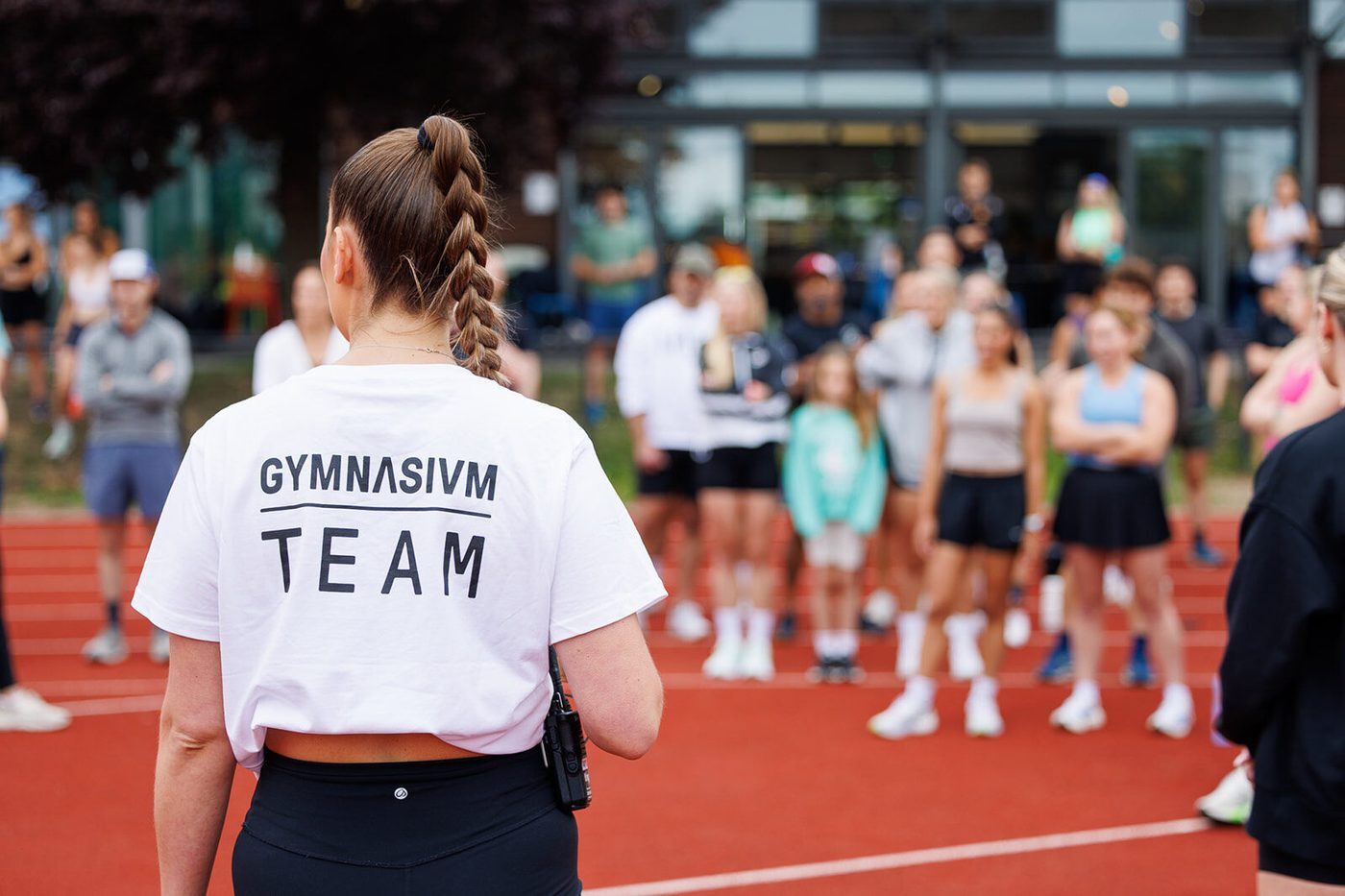
Our members train together, encourage one another, compete in Team Games, join Run Clubs, take part in HYROX events and, quite often, become friends. Take a look at our events & socials.
But community doesn't have to mean organised socialising.
Sometimes it's just recognising someone across the room. A conversation before class. A coach remembering what you achieved last week. Or someone noticing when you haven't been in for a while.
Those small interactions matter.
They turn exercise from something you have to motivate yourself to do into something you look forward to.
And they help make training a habit. If you're new to the city, here's where to make friends.
7. Mental fitness matters as much as physical fitness
Perhaps the most significant change in how people think about exercise is why they're doing it.
The Les Mills report found that 45% of regular exercisers now cite mental health as a reason for training, up from 35% in 2021.
Reducing stress, improving mood and simply feeling better are increasingly important motivations.
Exercise can help with all of these.
But we think there's something particularly powerful about combining physical exercise with social interaction.
You're moving, learning, concentrating, challenging yourself and connecting with other people.
For an hour, you're away from work, screens and the usual distractions of everyday life.
It's a chance to focus on something completely different.
And sometimes the best thing you get from a workout isn't a new personal best.
It's simply walking out feeling better than when you walked in. There's more on this in train your brain, not just your body.
So, what's actually changing at Gymnasium in 2027?
Not as much as you might think.
We're going to keep doing what we believe works: great coaching, intelligent programming, strength and conditioning, accessible workouts and building genuinely connected local gyms.
We'll continue improving the experience, making it easier for people to start, progress and find the right training for them.
And we'll explore complementary services, including body scanning and contrast therapy through specialist partnerships, that can help members understand their progress and support their wider health and fitness.
But we won't be chasing every new trend.
Because the fundamentals of fitness haven't changed.
Get stronger. Build your engine. Move well. Recover properly. Find people you enjoy doing it with. And keep showing up.
That was good advice ten years ago.
It will still be good advice in 2027.
Next step: start with Gymnasium Start, check membership, or pick your gym: Brixton, Kennington, Wandsworth, Ealing or Twickenham.